Rising Games answers a practical question: which games are attracting players now, and what can you usefully learn before the guide market settles? Every entry below has a dated public signal and a permanent guide hub. A release date by itself is not momentum, and a trailer is not evidence of an active audience.
Use this page as a current discovery guide rather than a lifetime ranking. The strongest choice depends on whether you want a large new action RPG, a management game with visible bottlenecks, a repair simulation, or a smaller release whose central mechanic still has room for clear answers.
Every recommendation below points to a page you can use immediately, so the collection remains useful even when a chart position changes.
Current momentum snapshot
Swipe table →| Game | Why it is rising | What to open first |
|---|
| Big Ambitions | Version 1.0 launched Aug. 28, appeared around No. 42 in Steam US, and opened more than 40 task-level US query branches | Thirteen-page released-version business dossier |
| The First Descendant | 7,936 live Steam players on Aug. 29 while Update 1.4.0 and two Aug. 27–28 corrections keep Raven, Trials, Onslaught, and Season 4 rules changing | Eleven-page Season 4 and patch dossier |
| Black Desert | 22,531 live Steam players on Aug. 29 while the Aug. 13 Inner Edania update opened exact travel, boss, armor, fishing, crystal, and level-cap questions | Nine-page Inner Edania dossier |
| Kingdom Hearts IV | D23 fixed the late-2027 window, platforms, Coco world, and playable characters; its official June trailer passed 1.1M views and Google US exposes at least ten exact intents | Eight-part official D23 dossier |
| Legacy of the Bloodmoon | Released Aug. 28 on PC, console, and mobile while the required base game had 6,648 live Steam players and US suggestions opened exact expansion questions | Seven-part launch and expansion dossier |
| Starsand Island | Version 1.0 launched Aug. 18; 1,014 live Steam players, 108 exact-name Google US suggestions, and 6,934 recommendations expose farming, multiplayer, relationship, hardware, and review demand | Nine-part released-build guide package |
| BRIGANDINE ABYSS | Aug. 26–27 launch, 352 live Steam players, 37 exact-name Google US suggestions, and 135 early reviews create distinct mode, platform, hardware, and sentiment questions | Six-part launch and mode dossier |
| Endacopia | Still No. 92 in Steam US with 4,852 recommendations; nine Google US seeds expose 80 exact-name suggestions across walkthrough, body-part, fishing, endings, and support intent | Eight-part released-build route and support package |
| Girls' Frontline 2: Exilium | Chiral Redundancy launched Aug. 26 and lifted the game to No. 34 in Steam US, while Frontier Conquest still has a thin search-result answer | Six-part event, character, platoon, and mechanics package |
| NTE: Neverness to Everness | Entered Steam US as New at No. 92 during Version 1.3, with 6,271 current players and 5,678 reviews; Google US intent has split into platform, account, hardware, support, Zankou, and property branches | Eleven-part Version 1.3 and support dossier |
| Gamble With Your Friends | Re-entered Steam US as New at No. 97 with 8,360 players while version 1.0.30 made older rules, input, payout, save, and network answers stale | Eight-part multiplayer, rules, support, patch, and gameplay dossier |
| Fell & Sell | New at No. 66 in Steam US two days after its Aug. 26 release, with 1,586 players and three rapid post-launch fix records | Seven-part release, support, hardware, patch, and gameplay dossier |
| Palia | Patch 0.206 produced an earlier No. 44 Steam US snapshot and a refreshed No. 61 position with 6,613 players; Drops run through Sep. 16 | Eight-part patch, Docks, Drops, storage, and crossplay dossier |
| The Division 2: Red Horizon | Red Horizon moved the base game up 53 places to No. 19 in Steam US; the Supply Drop entered at No. 45 | Eight-part season, package, gear, Dark Zone, drops, and crossplay dossier |
| Crimson Desert Enhanced | The free Aug 25 version 2.00.00 update returned a 111,000-recommendation game to No. 9 in US Top Sellers with 15,838 live players | Enhanced ownership, patch, edition, and hardware dossier |
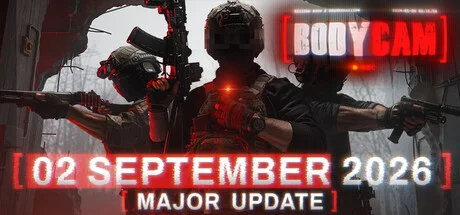
| Bodycam | No. 13 in US Top Sellers with 1,938 live players before the free Sep 2 Locked & Loaded v0.8 update | Update, playtest, Trenches, systems, and PC dossier |
| No More Room in Hell 2 | No. 16 in US Top Sellers and 4,468 live players after the Aug 11 PC, PS5, and Xbox 1.0 launch | Crossplay, modes, progression, and support dossier |
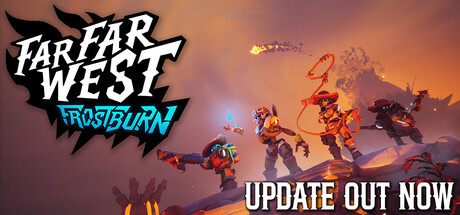
| Far Far West | Frostburn returned the game to No. 40 in US Top Sellers with 3,817 live players after changing currencies, combat, and maps | Frostburn, co-op, Early Access, and PC dossier |
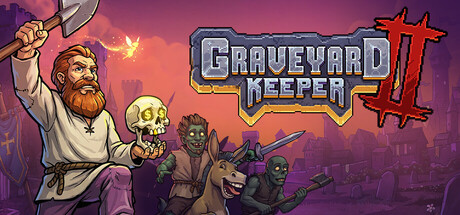
| Graveyard Keeper 2 | The Sep 22 preorder entered US Top Sellers at No. 41 and opened distinct platform, bonus, multiplayer, and system questions | Release, systems, and PC dossier |
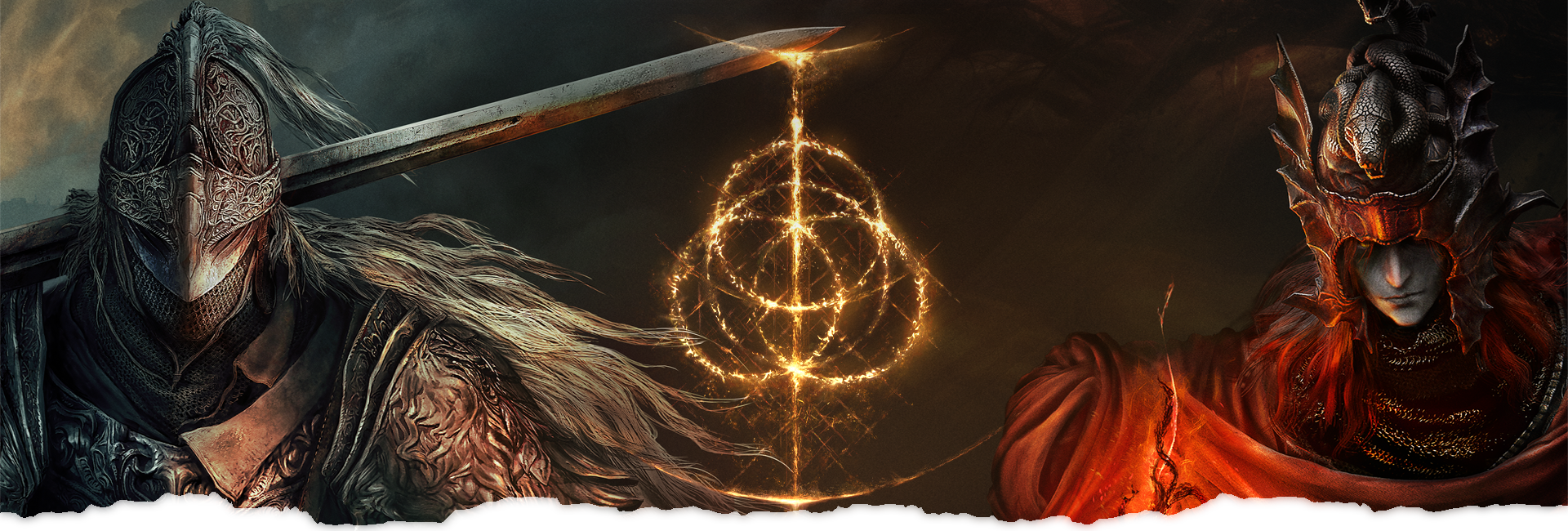
| Elden Ring: Tarnished Edition | Tarnished Pack launched Aug. 27 at No. 8 in US Top Sellers and opened distinct class, weapon, Torrent, price, and ownership queries | Tarnished Pack acquisition dossier |
| Metal Gear Solid 4 | Its Aug. 27 standalone launch reached No. 16 in US Top Sellers and turned collection speculation into answerable price, hardware, and save-reward searches | MGS4 standalone dossier |
| Dead by Daylight: Chorus of Sin | The Aug. 25 chapter launched into a 49,880-player base-game snapshot with separate killer, survivor, perk, and patch searches | Chapter and character dossier |
| Shift At Midnight | Current US suggestions branch into crossplay, Game Pass, endings, price, and player-count intent; Steam showed 4,421 live players after the 15 Customers update | Mode, co-op, and support dossier |
| DayZ Badlands | An Aug 28 date announcement opened an Oct 15 buying window around a 267 km² expansion, while Google US suggestions separate price, platform, map, survival, update, and rebuilding questions | Six-part Badlands dossier |
| Captain Tsubasa 2: World Fighters | Same-day US launch, 924 Steam players, 73 early reviews, roughly 50 exact-name Google US intent branches, and two official trailers above 100K views | Nine-part launch dossier |
| Persona 6 | 1.48M official teaser views, 62 exact-name Google US continuations, and a fresh PS5 physical-copy discussion create a broad early product-question window | Release, platform, buying, hardware, and story dossier |
| Persona 4 Revival | First public playable Aug 26, a detailed producer interview Aug 27, 4.86M official trailer views, and 114 exact-name Google US continuations create a fresh remake window | Nine-part release, demo, combat, remake, and cast dossier |
| Final Fantasy VII Revelation | Google US rose 11.25x against the preceding three-week baseline after the Gamescom trailer; 28 release, platform, buying, Highwind, character, combat, and story branches are visible | Ten-part pre-release dossier |
| Crazy Taxi: World Tour | The Aug 25 multiplayer trailer, 2.67M official trailer views, 101 exact-name Google US continuations, and an Aug 31 US test deadline create a fresh answer window | Test, release, multiplayer, story, and gameplay dossier |
| Tides of Annihilation | Google US reached 96, 97, and 68 in the latest samples; its latest week averaged 4.01x the preceding three weeks while a Gamescom demo is live | Release, demo, cast, combat, and world dossier |
| ANANTA | Google US averaged 21.86 in the latest week against 1.33 in the preceding three weeks after the Jan 15 date reveal; more than twenty product-intent branches are visible | Release, mobile, monetization, character, and gameplay dossier |
| EXODUS | Google US interest reached 67, 71, and 56 after the Aug 25 release-date reveal; the latest week averaged 5.04x the preceding three-week period and ten query branches are visible | Release, companion, gameplay, and time-dilation dossier |
| LEGO Skylines | Google US interest jumped from a near-zero baseline to 44, 100, and 58 after its Aug 25 reveal; twelve release, price, platform, and gameplay branches are visible | Release, platform, gameplay, and PC dossier |
| Silent Hill Townfall | US Google Trends rose 2.67x and Konami's Aug 26 cast reveal opened cast and demo-status questions | Cast, release, gameplay, and PC dossier |
| Aniimo | US Google Trends rose 1.78x after its Sep 16 PC/console and Sep 23 mobile dates were announced | Release, beta, multiplayer, and PC dossier |
| Valor Mortis | US Google Trends rose 3.14x from a low base after the Oct 13 date reveal; a Steam demo is live | Release, demo, combat, and PC dossier |
| Marvel's Wolverine | Nielsen No. 2 US game interest plus a September 15 PS5 launch | Release and buying dossier |
| Modern Warfare 4 | No. 1 US Top Seller during a live two-weekend beta | Beta access hub |
| GTA VI | 200K+ current US Google searches around the now-playing Extended Look | Replay, footage, release, and buying hub |
| LEGO Batman: Legacy of the Dark Knight | 700 live Steam players, 8,532 recommendations, and a Sep 18 Switch 2 launch | Switch 2 and released-game dossier |
| 007 First Light | Nielsen moved it from No. 32 to No. 7; 1,486 Steam players remained active | Release and Switch 2 status |
| The Sinking City 2 | 749 live players, 720 recommendations, and two official PC hotfixes five days after launch | Launch help hub |
| The Sorting Bureau | 174 live players and 24 reviews one day after its full release | Piles and order guide hub |
| Mortal Shell II | No. 1 US Top Seller and 24,688 live players one day after release | Release and support overview |
| How to Fish | No. 7 US Top Seller and 17,695 live players one day after release | Boss and island guide hub |
| Hearth and Hamlet | 8,588-player launch snapshot and a US Top Sellers appearance | Settlement system guide |
| Pizza House Simulator | 1,053-player launch snapshot and 94 Very Positive Steam reviews | Price and first-shift guide |
| ReStory | 6,783-player snapshot and continued US Top Sellers visibility after launch week | Repair guide hub |
| Low-Budget Repairs | 2,049-player snapshot after a large pre-release wishlist campaign | First-job guide hub |
| Duskfade | 389-player snapshot and a visible launch audience for a movement-led platformer | Movement guide |
| Tukoni: Forest Keepers | 152 live players and 242 recommendations shortly after release | Release guide |
| Security 51 | 134 live players and 363 recommendations after release | Bone Day answer |
These figures are dated snapshots, not lifetime sales or forecasts. Starsand Island and BRIGANDINE ABYSS use August 29 official product, review, and Google US autocomplete snapshots; Endacopia uses the August 29 US chart, official product data, and Google US autocomplete snapshot. The right-hand column matters as much as the number: a game belongs here only when there is already a concrete answer to open.
Three different kinds of current opportunity
Big Ambitions is the release-window cluster: its broad name is supported by a current US chart position, but the attainable searches are factories, warehouse deliveries, schedules, HR, blueprints, repairs, fixtures, mods, and the exact changes in version 1.0. The First Descendant is the live-patch cluster: every Raven rate, unlock gate, and Onslaught status is tied to version 1.4.0, 1.4.1, or 1.4.1b so an older answer cannot silently masquerade as current. Black Desert is the expansion cluster: the site avoids the generic game-guide battle and concentrates on Inner Edania's documented AP/DP gates, weekly rules, item paths, recipes, Life content, and level-cap change.
These clusters are deliberately unequal in scope. Big Ambitions receives broad released-game coverage because the launch produced many low-level tasks. The First Descendant and Black Desert receive update-bounded coverage because live-service facts age quickly; each page states the applicable patch or region and returns to review when that boundary changes.
Starsand Island — 1.0 demand has split into usable problems
Starsand Island is not covered as one generic cozy-game description. Its current question branches separate version 1.0 and platforms, four-player multiplayer and current crossplay limits, confirmed first-week systems and unknowns, crops and money, iron, magnetite, and moonstone, romance, hardware, and player sentiment.
The current review page reports a dated sample and overlapping themes instead of converting 6,934 recommendations into a universal verdict. Guide claims use current released-build references; product and compatibility claims use platform stores.
BRIGANDINE ABYSS — launch questions are clear, tactical evidence is not
BRIGANDINE ABYSS has a smaller audience signal but a useful launch gap. The current package answers release, platforms, demo, and cloud saves, Story Mode versus Mission Mode, single-player and multiplayer status, PC requirements and Switch 2 file size, and early player-review themes.
Build rankings, class routes, and mission solutions are deliberately absent. Official feature descriptions do not prove those answers, and the early Steam review sample is too divided to disguise as a definitive site review.
Endacopia — released-game questions are still widening
Endacopia is rising here because it remained number 92 in Steam's United States Top Sellers more than a month after launch while nine Google US seeds produced 80 unique exact-name suggestions. The useful opportunity is not the broad game name: players are separately asking how to recover Hands, Eyes, and Mouth, how to catch all 18 fish, and how Ending C works.
The package also separates official Patch 1.08 fixes from puzzle routes and records the official Windows requirements. Review scores, lore explanations, and unsupported puzzle variants remain outside the content contract.
NTE — a live update widened the search surface
NTE: Neverness to Everness is rising here because Version 1.3 went live on August 19 and the game appeared as New at number 92 in Steam's United States Top Sellers on August 28. Official snapshots showed 6,271 current players and 5,678 all-language reviews. Google US suggestions now split into Steam and PS5 access, cross-save, servers, PC and mobile requirements, crashes, Version 1.3, Zankou, pity, Duskmoor, housing, and vehicles.
The package answers those branches with first-party records: account and server selection, PS5 linking, PC requirements and real disk-space needs, mobile requirements, current fixes, Version 1.3 dates, and Zankou's shared Limited Board pity. The site does not convert visible build, tier-list, code, or appraisal queries into unsupported pages.
Gamble With Your Friends — chart re-entry plus a major-update freshness gap
Gamble With Your Friends is not new because of its May 1 release date. It qualifies here because it re-entered Steam's United States Top Sellers as New at number 97 while still showing 8,360 concurrent players, and because version 1.0.30 changed the answer surface after launch. The update added per-save rules, Endless Mode, a developer console, input remapping, languages, sensitivity settings, payout changes, and save, quota, network, Poker, Crash, and Baccarat fixes.
The eight-page package turns the current Google US branches into separate answers for buying and console status, multiplayer and crossplay boundaries, Endless Mode and save rules, developer-console and keybinding support, PC and Proton requirements, the complete gameplay loop, and current fixes. It does not turn autocomplete demand into invented strategies, odds, item rankings, ending routes, mods, achievements, or a review.
Fell & Sell — launch demand plus same-week support changes
Fell & Sell launched August 26, entered Steam's United States Top Sellers as New at number 66, and showed 1,586 concurrent players in the August 28 snapshot. Its freshness is not based on release timing alone: versions 1.0.1 and 1.0.2 fixed demo rewards, blocked dungeons, load freezes, and inventory behavior, followed by an August 28 update that added full controller support and addressed Quest Board, shop, save, and settings problems.
That update sequence creates independent current answers for release and demo transfer, multiplayer and platforms, controller and Steam Deck support, PC requirements, current fixes, and the gameplay loop. Google suggestions for tips, mods, cheats, named weapons, and wiki material remain research leads rather than permission to invent those pages.
Palia — Patch 0.206 reopened five exact search surfaces
Palia appeared at number 44 in an earlier Steam United States Top Sellers snapshot during the first week of Patch 0.206, then stood at number 61 in the refreshed August 28 chart. Official endpoints showed 6,613 current players and 43,972 all-language reviews, while Google US suggestions now branch into update timing, Civic Project Docks, Twitch Drops, crossplay combinations, and Premium Storage.
The current dossier separates the full Patch 0.206 feature map, Docks supplies, XP, titles, and rewards, August 26–September 16 Drops campaign, paid capacity versus free storage changes, crossplay and account linking, Fall roadmap, and Free Cam plus Player Titles. It does not invent Civic Project recipes, optimized farms, or a review from patch copy.
August 28 fresh movers — four different SEO openings
The Division 2: Red Horizon is a strong authority-building cluster because it combines a known US audience with a new, fragmented answer surface. Steam US moved the base game up 53 places to number 19 and listed the Supply Drop at number 45, while Ubisoft split the useful facts across the season launch, package details, Gamescom roadmap, and Twitch campaign. The dossier consolidates those exact answers but does not publish Scout routes, farms, or best builds without reproducible live-build work.
Elden Ring: Tarnished Edition and Metal Gear Solid: Master Collection Vol. 2 are mainstream launch opportunities, but the site is not targeting their impossible head terms. The Elden Ring package answers how existing and new characters obtain Tarnished Pack content; the Metal Gear package answers the newly released MGS4 standalone product, hardware floor, included reference books, and Vol. 1 save reward. Both clusters are tied to August 27 official releases and current US Top Sellers positions.
Dead by Daylight: Chorus of Sin uses a live-service update model: one hub for chapter scope, then separate first-party answer pages for The Judgment, Aurora Stardotter, and patch 10.1.0. Shift At Midnight uses a different gap: Xbox and Steam product records answer Game Pass, Play Anywhere, three-player design, optional six-player Steam lobbies, Story versus Endless mode, cloud saves, and hardware, while cross-store crossplay and controller support remain explicitly unconfirmed.
Crimson Desert Enhanced — a free update changed the product search
Crimson Desert Enhanced is rising because version 2.00.00 created a new ownership and version question inside an established game. The August 28 Steam snapshot showed 15,838 concurrent players, 111,857 recommendations, and a number 9 United States Top Sellers position. Those figures belong to the existing Steam product; they are not claimed as sales of a separate Enhanced edition.
The five-page dossier answers whether Enhanced is free and how existing owners receive it, what patch 2.00.00 changes in story, skills, resets, and carry-over, Windows and Apple-silicon Mac requirements plus Denuvo, and Standard versus Deluxe ownership. Review, quest, boss, and build coverage waits for disclosed current-build play evidence.
Bodycam — a fixed September update window
Bodycam reached number 13 in Steam's United States Top Sellers chart with 1,938 live players before the September 2 Locked & Loaded launch. The opportunity is not another generic Bodycam overview: v0.8 changes animation, reloads, loadouts, attachments, audio, VOIP, the tablet, gadgets, progression, and the Trenches map together.
The current Bodycam hub records the released v0.8 baseline and Patch #1–#3 instead of preserving an expired launch-countdown page. It then separates Trenches map and remote gadgets, animation, loadout, audio, and tablet changes, and PC requirements plus console boundaries. Post-update performance, map routes, and attachment rankings remain closed until the public build can be reproduced.
No More Room in Hell 2 — console crossplay after 1.0
No More Room in Hell 2 ranked number 16 in Steam's United States chart and showed 4,468 concurrent players in the August 28 snapshot after leaving Early Access on August 11. PS5 and Xbox versions create a fresh cross-platform question set that older Early Access pages cannot answer reliably.
The dossier now separates PC, PS5, and Xbox crossplay and subscriptions, Scenario, Survival, Solo, player count, and maps, infection, permadeath, Rescue Beacon, and progression, and PC requirements, controller, and Easy Anti-Cheat. Route and weapon claims remain tied to direct version 1.0.4.0 evidence.
Far Far West — Frostburn made older guidance stale
Far Far West returned to number 40 in Steam's United States Top Sellers chart with 3,817 live players after the August 27 Frostburn update. Version 0.2 replaced weapon fragments with Blueprints, moved mission purchases to Uranium, added melee and Frost systems, expanded maps, and changed balance and AI. Those changes create a defensible freshness advantage over old guides.
Open the Frostburn system summary, solo and one-to-four-player co-op status, Early Access, price, 1.0, and save boundaries, or current PC and controller support. Codes, secrets, optimal builds, and review verdicts require current-build evidence.
Graveyard Keeper 2 — preorders opened a September product window
Graveyard Keeper 2 entered Steam's United States Top Sellers at number 41 after opening preorders for September 22. Unlike a title-only placeholder, the official stores already answer platform, price, bonus, player count, and hardware questions, while the developer describes concrete Town, automation, army, and 3D changes.
The five-page package covers release date, platforms, price, and preorder bonus, single-player and multiplayer status, Town, zombie automation, army, and 3D systems, and PC requirements plus Steam Deck evidence limits. Recipes, layouts, combat strategy, walkthroughs, and a review wait for the retail build.
DayZ Badlands — a fresh expansion backed by an established live audience
DayZ Badlands qualifies because a fresh official date attaches to an established survival audience and a broad, answerable US query surface. The six-page package separates the October 15 release, base-game requirement, preliminary price boundary, 267 km² Nasdara map, desert survival systems, versions 1.29 and 1.30, and rebuilding feature. It does not turn work-in-progress footage into wells, loot routes, base rankings, wipe claims, or crossplay promises.
The expansion also has a measurable audience base: Steam's official endpoint returned 25,424 concurrent DayZ players in the August 28 snapshot. That is a base-game audience rather than a Badlands sales figure, so it is not presented as DLC adoption. Google US autocomplete is used to map wording and question breadth, not to invent a search-volume number. The dated publisher event supplies freshness; future search visibility will decide whether the cluster earns more depth after indexing.
Captain Tsubasa 2 — launch demand with a factual SERP gap
Captain Tsubasa 2: World Fighters opened a broad US search window on its August 28 launch day. Twelve Google US autocomplete prefixes produced roughly 50 exact-name branches around platforms, Switch 2, editions, multiplayer, crossplay, roster, story, gameplay, PC requirements, Steam Deck, bonuses, and DLC. Steam's official live endpoint showed 924 concurrent players, and Bandai Namco's system and story trailers had 102,160 and 128,387 public views at the check. These are dated directional signals, not lifetime demand estimates.
The competitive opening is precision. Current results include pre-release team rankings, unsupported tactical claims, and a 23 GB storage figure; Steam's official requirement is 22 GB. The site's nine-page dossier consolidates first-party release, price, player-count, hardware, team, mode, system, and entitlement facts. Rankings, strategy, review, and walkthrough pages stay closed until the released build can support repeatable evidence.
Persona 6 — a broad official product record before launch speculation takes over
Persona 6 enters this collection because the official teaser had 1,489,574 public views when checked August 28, while eleven Google US autocomplete prefixes produced 62 exact-name continuations across release timing, platforms, Game Pass, Play Anywhere, Switch 2, physical copies, preorder, price, editions, PC requirements, Steam Deck, protagonist, story, gameplay, and trailer intent. The August 25 PS5 physical-copy discussion is the dated trigger; trailer views are global and autocomplete maps wording rather than US volume.
The current five-page dossier answers only what SEGA, ATLUS, Xbox, PlayStation, Steam, and the official teaser support: a standalone RPG set in modern-day Japan; PS5, Xbox Series, Windows, Steam, Xbox cloud, Game Pass, and Play Anywhere; PS5 as the only announced physical edition; and the fact that no exact date, price, preorder package, Switch 2 version, PC specification, Steam Deck status, named protagonist, or gameplay footage has been published. Those boundaries make the pages useful now without turning rumors into facts.
Persona 4 Revival — public play and a producer interview opened the remake record
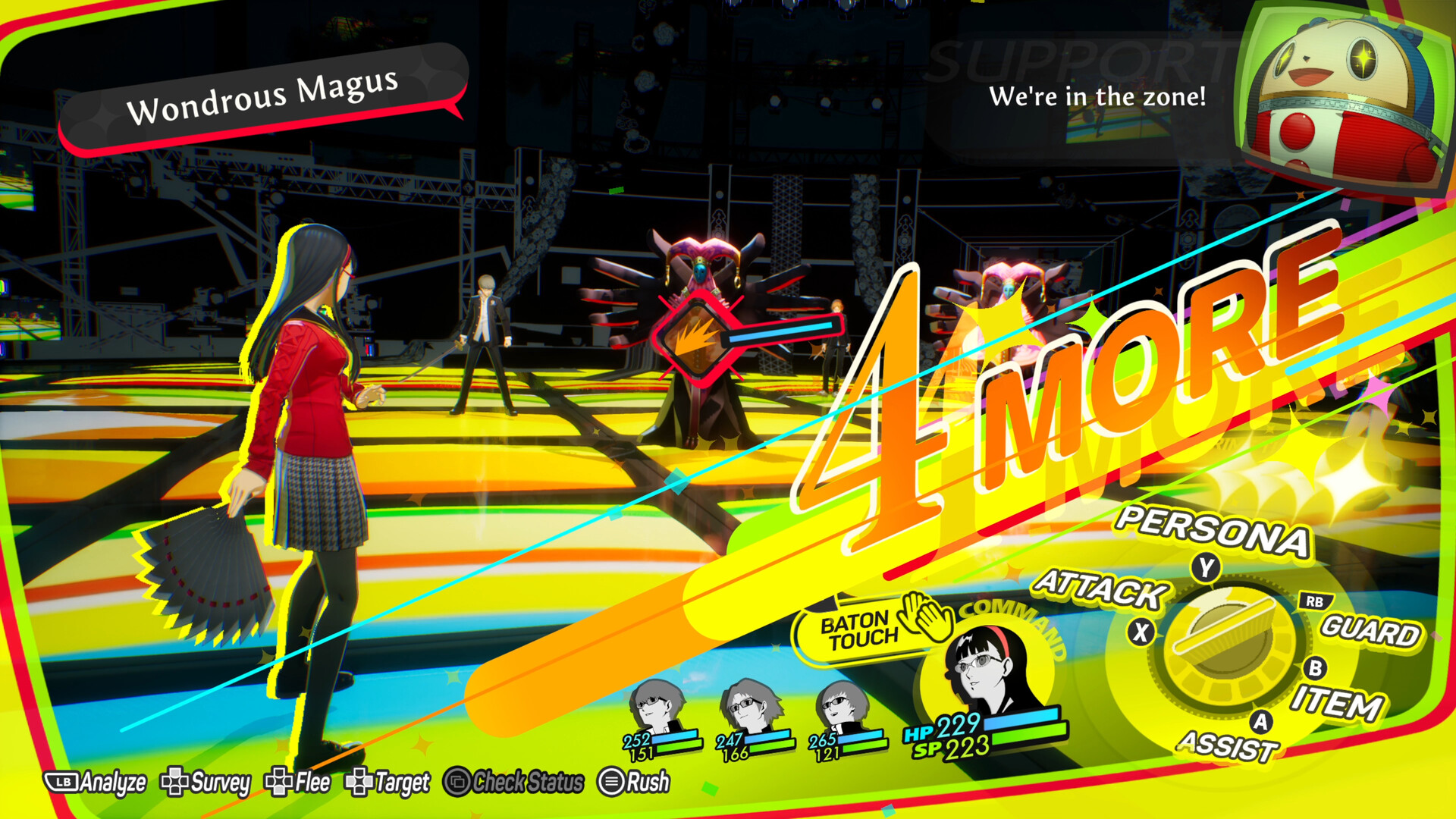
Persona 4 Revival combines broad franchise attention with a genuinely new information window. The official Xbox pre-order trailer had 4,862,108 public views when checked August 27, and a consistent fourteen-prefix Google US autocomplete sample produced 114 exact-name continuations. The first public playable demo appeared August 26, followed by producer Kazuhisa Wada's detailed Xbox interview August 27. Trailer views are global and autocomplete maps wording rather than volume; the dated first-party activity is the freshness signal.
The nine-page dossier answers release, platforms, Game Pass, and Switch 2 status, US prices, editions, bonuses, and physical-copy boundaries, PC requirements, Steam Deck, Denuvo, and controllers, the three Gamescom Channels and home-demo status, Prime Time and the revised combat loop, confirmed changes from Golden, characters and voice-cast boundaries, and Inaba, Social Links, school life, and romance status. It does not invent Switch 2, final PC targets, a complete English cast, romance rewrites, or a review.
Final Fantasy VII Revelation — mainstream breadth inside a fresh window

Final Fantasy VII Revelation accumulated a Google US index sum of 556 in the same 90-day comparison used for the current publishing decision. Its latest seven-day average was 11.25 times the preceding three-week average after the August 25 Planet's Crisis trailer. Current suggestions split into 28 release, PS5, PC, Xbox, Switch 2, price, preorder, collector's edition, Highwind, Cid, Vincent, FITS, multiplayer, save, Weapon, and ending branches.
The opportunity is not a speculative ending article. The ten-page dossier consolidates facts that Square Enix and separate platform stores already publish: Spring 2027, four platform families, wishlist and price boundaries, one-player support, missing PC specifications, Highwind travel, playable Cid and Vincent, FITS, save rewards, and the current Weapons story setup. Exact dates, editions, builds, boss routes, and verdicts remain closed until the evidence changes.
Crazy Taxi: World Tour — a dated US test creates the useful window

Crazy Taxi: World Tour has a stronger current publishing case than a generic 2027 announcement. SEGA's official reveal trailer has 2,677,862 views, Google US autocomplete produced 101 exact-name continuations across fourteen seed prefixes, and the United States closed-network-test application closes August 31 at 11:59 PM Pacific. The August 25 Gamescom multiplayer trailer is the fresh trigger. Trailer views are global and autocomplete is an intent map rather than a volume estimate, so neither is presented as US search traffic.
The eight-page dossier answers the questions players can act on now: release, platforms, price, preorder, and Game Pass, test registration, dates, regions, and platforms, test PC requirements and save transfer, multiplayer, crossplay, and the two test modes, Axel's story and the five-city structure, vehicles, customization, drifting, and disclosed gameplay, and SEGA's AI, music, and streaming disclosures. It does not invent a retail price, final player count, split-screen support, review, or walkthrough.
Tides of Annihilation — the strongest current rise in the remaining field

Tides of Annihilation had the highest current absolute Google US demand among the remaining Gamescom candidates checked in the same 90-day comparison. Its latest daily samples reached 96, 97, and 68, while the latest seven-day average was 60.71 against 15.14 across the preceding three weeks. The August 27–30 public demo and August 25 story trailer give that acceleration a current event window.
The search cluster already separates release and platform status, Gamescom demo access, single-player and hardware support, Gwendolyn's current voice actor, knight combat, and the London and Otherworld setting. A retail walkthrough or review is still unsupported.
ANANTA — the newest broad product-intent cluster
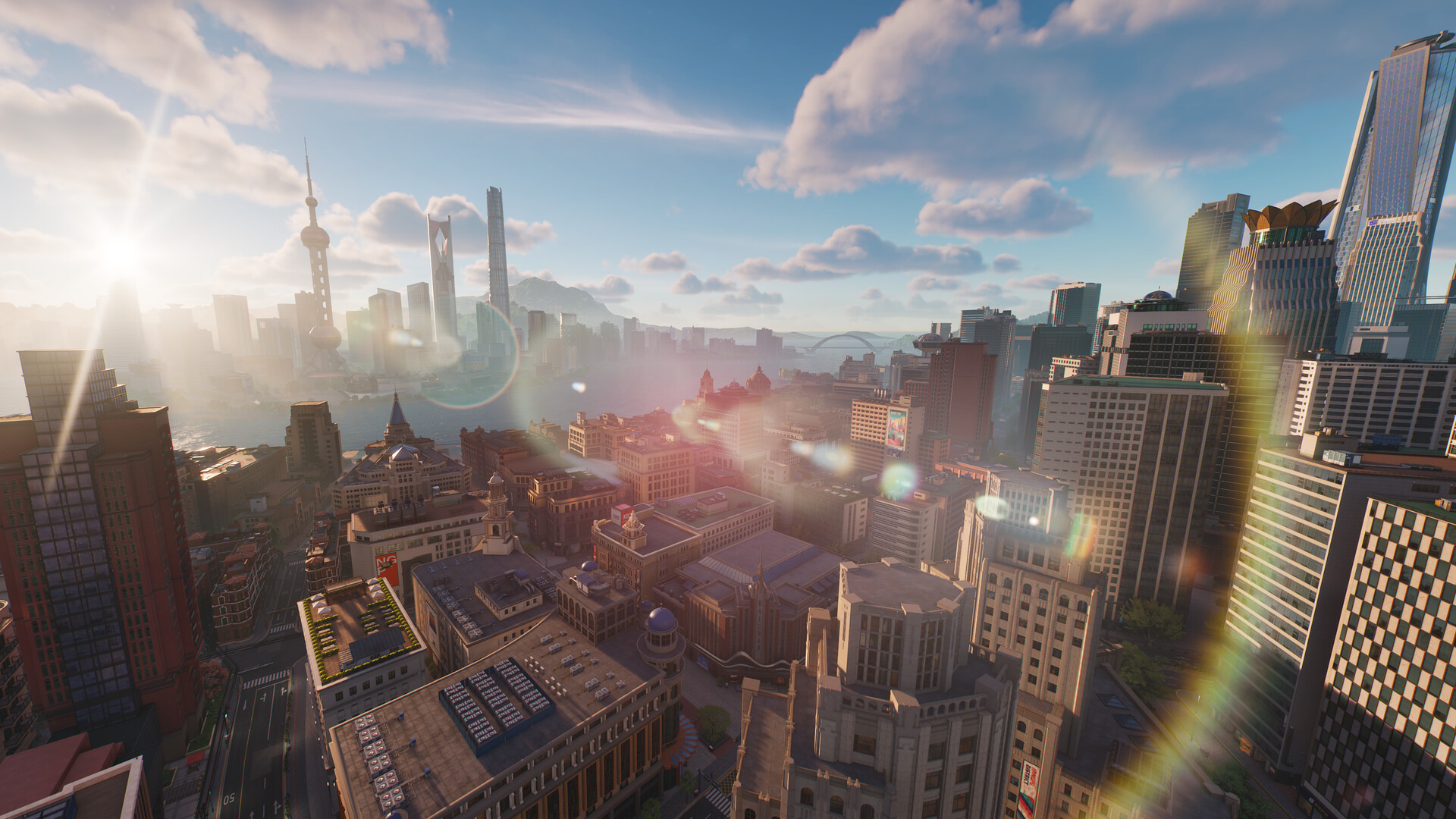
ANANTA accelerated from a small prior baseline after the August 25 reveal. Its latest Google US seven-day average was 21.86, compared with 1.33 across the preceding three weeks, and the latest daily index was 42. That is a strong rise but lower absolute demand than Tides of Annihilation, so the opportunity depends on entering specific questions early rather than pretending it is already the largest game.
The current search wording splits across January 15 release and platform status, single-player and online requirements, mobile availability, randomized monetization, PC requirements, gameplay systems, character roles, the two named cities, and Project Mugen versus NTE. The package answers each from first-party material and leaves banners, routes, builds, and review claims closed.
EXODUS — the largest accumulated demand in the new reveal comparison
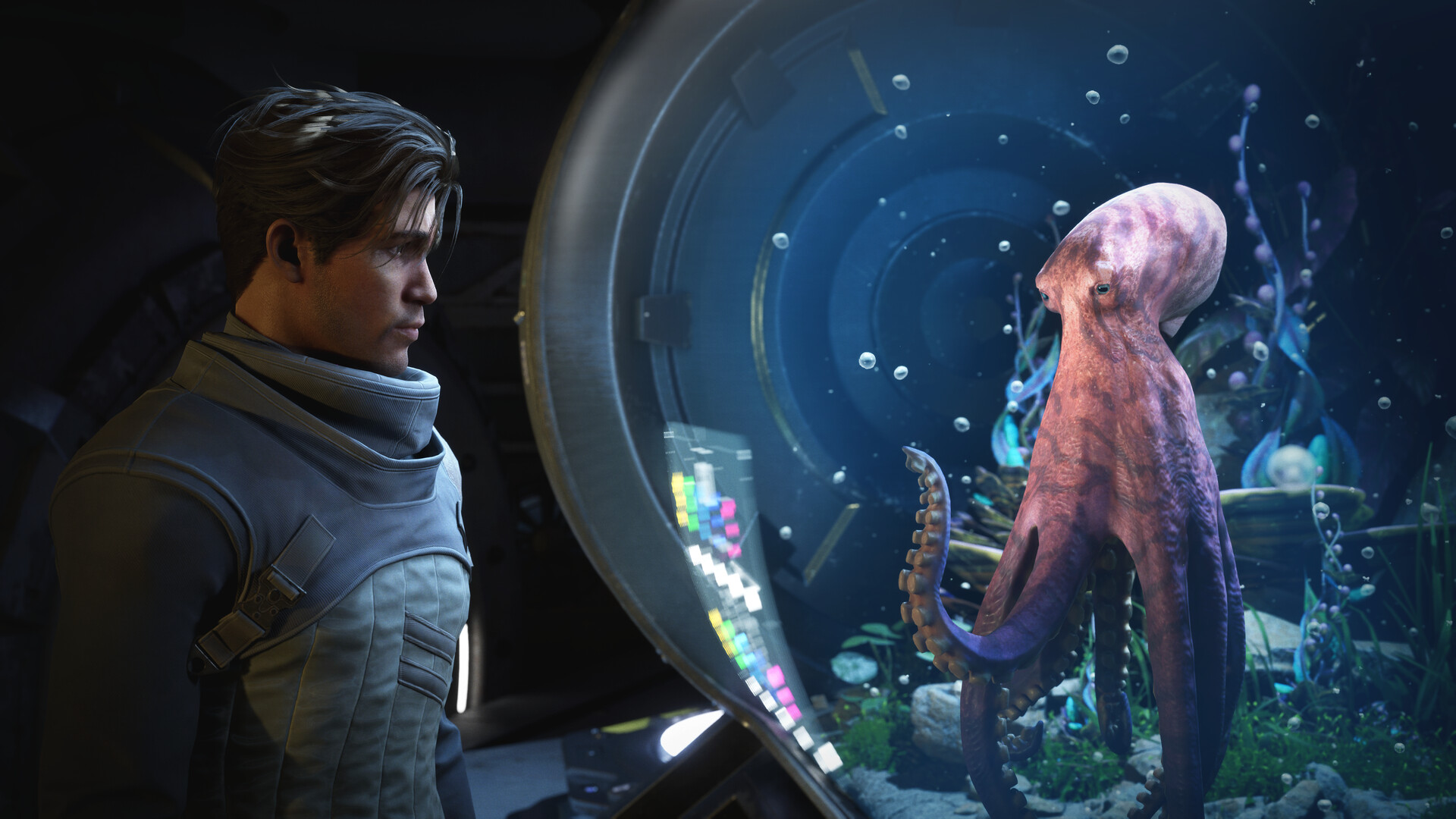
EXODUS combines a fresh August 25 trigger with an audience that was already larger than the other reveal candidates checked in the same Google US comparison. Its latest daily samples were 67, 71, and 56, and its latest seven-day average was 5.04 times the preceding three-week average. Those numbers establish acceleration, not a sales forecast.
The opportunity is broader than one date article. The current pages separate release, platforms, price, preorder, and Game Pass, single-player, controller, and PC requirements, Salt and Emrys, Jun's customization and alignments, disclosed gameplay systems, and time dilation. Builds, endings, romances, performance, and routes remain unpublished because the retail game is not available.
LEGO Skylines — a new reveal with a complete question cluster
LEGO Skylines is the fastest fresh reveal in this update. Google US interest was almost absent before Paradox, Iceflake Studios, and the LEGO Group announced it on August 25, then the daily index moved through 44, 100, and 58. The ratio against the earlier baseline is unusually large because that baseline was nearly zero; it should be read as acceleration, not as proof of blockbuster-scale search volume.
The useful opportunity is the shape of the demand. Search suggestions already separate release date, price, preorder, and standalone status, PS5, Xbox Series, Switch 2, Steam, and older systems, and disclosed city-management systems. Official sources can answer those questions now. A review, optimal layout, performance verdict, or progression walkthrough cannot be supported until a playable build exists.
LEGO Batman — a second platform window after release
LEGO Batman: Legacy of the Dark Knight is rising for a different reason from a brand-new launch. The May 22 PC and current-console release still showed 700 Steam players and 8,532 recommendations in the checked official data, while the September 18 Switch 2 edition and Mayhem Collection create a fresh buying window.
The site can compete on exact questions rather than the broad Batman name: Switch 2 timing and preorder, Standard versus Deluxe, local versus online co-op, official set codes, and PC requirements. The review page is a disclosed roundup; Switch 2 performance waits for that version to ship.
Modern Warfare 4 and GTA VI — rising demand, different evidence
Marvel's Wolverine is rising through a near-term launch and a widening official information surface. PlayStation now answers release, price, editions, bonuses, PS4 and PC status, combat, cast, story, and accessibility. That supports useful pre-release pages while retail walkthroughs and verdicts remain withheld.
Modern Warfare 4 is rising through a playable event. Its two beta weekends create exact questions about access, preload, maps, modes, level caps, rewards, carry-over, and PC security. The current pages answer those questions against Activision's dated beta build; they do not promote beta balance into a launch-day tier list.
Grand Theft Auto VI is rising through more than 200,000 current US searches and a larger set of official pre-release facts, not through a public build. Current coverage includes the 3 PM ET Netflix premiere, 9 PM ET official replay, and PS5 in-game-footage boundary, confirmed characters, named Leonida locations, release platforms, editions, preorder, preload, physical download code, GTA+ redemption, and current PC status. Mission routes, endings, final map borders, and performance pages still require the released game or a direct Rockstar announcement.
007 First Light — a second demand window after launch
007 First Light is not new, but its signal is moving. Nielsen's current game-interest chart moved it from number 32 to number 7, and Steam still showed 1,486 concurrent players on August 23. The pending Switch 2 version creates another concrete reason for release and platform searches.
Current coverage answers Switch 2 and released-platform status, multiplayer, cast, and PC requirements. The next page should follow a repeated mission, puzzle, or code query and verify the live solution end to end—not stretch this momentum signal into a generic walkthrough.
The Sinking City 2 — launch support is already specific
The Sinking City 2 released August 18 and had 749 live Steam players plus 720 recommendations in the August 23 official snapshot. Frogwares has also published Hotfix 1.0.2 and a first-party support library for current gameplay blockers, so the dossier can provide more than release-day marketing.
Open combat and ammo help when a fight is draining the inventory. Use Talent Points and Dream Essence, inventory upgrades and E.R.C. crates, or Night Ore for exact progression questions. PC players should check Hotfix 1.0.2 and known issues before changing files or assuming a launch bug is permanent.
The game also produces walkthrough, safe-code, and puzzle searches. Those remain outside the public set until each route has current-build landmarks, ordered interactions, branches, and a visible completion signal.
The Sorting Bureau — a small launch with usable traction
The Sorting Bureau had 174 players in Steam's live endpoint and 24 reviews one day after its August 21 release. That is not blockbuster scale, but it is a measurable audience beyond a store listing and the full release has specific changes that can support accurate search answers.
Use the Sorting Bureau overview for release and platform facts. Open piles and Spread Out when repeated dragging or overlapping objects are the issue, and order types to distinguish normal sorting from knolling and jigsaw work. The former beginner page was withdrawn because its evidence did not establish a complete first-order route.
Mortal Shell II — a chart-leading launch
Mortal Shell II is the clearest current mover. It launched on August 20, reached number one on Steam's United States Top Sellers chart, entered Most Played at number 44, and had 24,688 players in the live endpoint during the check.
For players, the immediate issue is separating launch facts from open-beta memory. The beta carry-over answer confirms that currency, weapons, Shells and collectibles reset, while the cosmetic reward and an eligible Prologue-skip option survive. The main Mortal Shell II overview no longer presents official combat marketing as a tested build or route.
PC buyers should check system requirements: Steam lists 16 GB RAM, an RTX 2060 SUPER or RX 6600, 70 GB, DirectX 12 and an SSD as the minimum. That concrete hardware question is more useful during launch week than a generic review recap.
How to Fish — demand arrived before the guide market
How to Fish is the clearest new answer-gap test. It launched on August 20, appeared seventh on Steam's US Top Sellers chart, and had 17,695 players in the official live snapshot during the August 21 check. Search coverage remains sparse, but the live Steam forum already shows more than 170 active topics and repeated questions about bosses, islands, saves and achievements.
The retained guide collection starts with two observed blockers. Use the spider crab guide for the anvil, lunge and dizzy-window loop, and the second-island piranha guide for ammunition, healing and target priority. Other former launch pages were consolidated into the overview after evidence review.
Hearth and Hamlet — settlement questions are forming quickly
Hearth and Hamlet combines a recent release with an 8,588-player snapshot and a Top Sellers appearance. Its systems create several distinct player problems: resource allocation, worker assignment, policy tradeoffs, research gates and building progression.
Use the Hearth and Hamlet overview for the verified release, platform and official settlement-system facts. Worker, policy and research strategy pages were merged back because launch marketing and demo information could not support exact release-build recommendations.
Pizza House Simulator — a co-op launch with buyer questions
Pizza House Simulator had 1,053 players in the live endpoint two days after release, while its store page showed 94 reviews and a Very Positive rating. That is a meaningful launch signal, but not enough to label it a lasting mainstream hit.
The guide hub directly answers the current US price, 25% launch offer, August 19 release date and six-player co-op limit. Open the co-op guide for room and join problems, or system requirements before buying for a lower-end PC. Recipe, stock-market and upgrade pages should wait for repeatable release-build evidence.
ReStory — demand is lasting beyond release day
ReStory had 6,783 live players in the checked snapshot and remained visible on the US revenue chart after its first launch week. Its strongest questions are operational: reading the work order, deciding whether a part needs cleaning or replacement, ordering the correct component, reassembling the device and confirming the finished job.
The ReStory overview identifies the published repair loop, while the system requirements page verifies Windows and macOS support. The spare-parts page was withdrawn because device-specific workflows should only appear after the entire repair can be reproduced.
Low-Budget Repairs — preparation is the real mechanic
Low-Budget Repairs converted substantial pre-release attention into more than 2,000 concurrent players at the check. The practical guide angle is job sequencing: understand the brief, protect nearby surfaces, select the correct tool, complete only the requested scope, check electrical work before concealment and clean up.
The tools and surface-protection guide starts there. It does not turn the game's comic premise into unsafe real-world repair advice, and it does not invent a perfect route for jobs that have not been verified in the release build.
Three smaller games worth testing now
Duskfade is a 3D platformer whose clearest question is movement. Start with the movement guide and confirm the current platform controls before copying a PC-specific sequence.
Tukoni: Forest Keepers has a smaller audience but enough release activity to test achievement and progression questions. Its release guide, achievements, and requirements pages separate full-game facts from demo boundaries.
Security 51 needs precise naming because broad searches can collide with unrelated products. Use the Bone Day answer for a concrete decision and system requirements for verified hardware facts.
Beast of Reincarnation — a live combat-and-support cluster
Beast of Reincarnation is not included because Game Freak is a recognizable studio alone. Google now suggests separate questions about parrying, Koo, healing, equipment, difficulty, bosses, endings, and PC support, while Steam's official endpoint still showed more than 1,000 concurrent players on August 24. That is a coherent launch audience with several different needs.
The first package answers the parts that current official evidence can actually support: platforms and Game Pass, PC requirements, the parry-to-Koo combat loop, food and early survival, and current patch status. Searches for a universal best sword, exact endings, and boss routes remain research leads rather than published guesses.
Four mainstream live-service windows worth entering now
Apex Legends is not a new game, but Season 30 Marked and the August 25–26 Respawn notices create a genuinely new search surface. The package does not try to rank for a timeless “Apex guide.” It answers Axle's current abilities and nerfs, the Bloodhound rework, World's Edge changes, the G7 and 30-30 rotation, an exact RX 9070 XT driver workaround, and the August 26 hotfix. The 120,078-player Steam snapshot gives those fresh branches a much larger ceiling than another tiny launch.
Overwatch uses the same logic. Heroes of Busan brought a 63,171-player Steam audience into a new Season 4 release and map update, D.Mon ability and perk, Battle Pass, MEKA Mania, Team Drive, and Mythic window. The site records Blizzard's current facts but does not manufacture a hero tier list from them.
STALKER 2: Heart of Chornobyl has the strongest immediate freshness of the three. Cost of Hope launched August 20 and patch 2.0.4 arrived August 29 while the game still showed 27,788 concurrent Steam players. Separate pages resolve edition entitlement, how to start, save dependency, Update 2.0, mods, multiplayer status, and 2.0.4 fixes. Weapon-location and mission walkthroughs remain blocked until released-build routes can be reproduced.
Rainbow Six Siege adds a pre-launch version of the same opportunity. Operation Split Fire goes live September 1, while Google US already exposes exact Y11S3 release, Noor, Legend Division, Villa rework, and 3v3 searches. Ubisoft's season record supports six focused answers before launch; it does not support invented Noor lineups or a definitive Villa meta. With 69,437 concurrent Steam players in the August 29 snapshot, even a narrow current-season foothold has room to expand after the live build arrives.
Marvel Rivals is the largest current-season opportunity in this batch. Its 79,148-player Steam snapshot and US seller rank of seven coincide with more than 20 Google US branches around Season 9.5 and The Hood. The official hero page publishes health, cooldown, damage, energy, and team-up values, while the August 27 patch adds a time-sensitive Encore Coupon answer that earlier summaries cannot contain.
FINAL FANTASY XIV contributes depth rather than only audience size. Roughly 30 current US suggestion branches span Patch 7.55, North Horn, Phantom Weapons, Forked Tower: Magic, and The Rising. The published package answers exact access and system questions, while chest maps, pot locations, and boss walkthroughs remain blocked until their routes can be reproduced in game.
Warframe and ZZZ — live update and same-day reveal windows
Warframe is rising around two different clocks: Update 43.5 is live, while Tau remains a 2026 release window. Current pages cover Tau's confirmed status, Fables & Frontiers unlocks, campaign rewards, and Hotfix 43.5.4 as separate search needs.
Zenless Zone Zero entered this collection because the August 28 Version 3.2 program produced immediate Agent, banner, rerun, release, and Steam questions. The Claret and Roxy status page reports only official identity facts; leaked final kits and banner order remain excluded.
Wuthering Waves and Where Winds Meet — live-version opportunities
Wuthering Waves has both scale and a new-version query surface. Version 3.6 opened release-date, character, Qingxiao, event, code, build, material, weapon, and team searches while the game remained in Steam's US Top 50. The first package takes the answerable portion: what 3.6 added, what Qingxiao officially is, which activities are live, and the current hardware boundary.
Where Winds Meet entered the same window through Clouded Revelation on August 27. Google US suggestions now separate Version 2.1, Hidden Mountain, map, boss, oddity, quest, and expansion intent. Official sources can answer the Cloudstair unlock condition, Labyrinth design, mechanical boss identities, Build Mode controls, and patched quest failures. Exact coordinates and strategies remain blocked until live-build evidence supports them.
Total War: WARHAMMER III combines an established US audience with a fresh September 24 expansion window. The game returned to the US Steam Top 20, while Creative Assembly's August 24 Nagash article passed 152,000 official-page views in four days. Current coverage focuses on the dated buying options, the unusual Immortal Empires ownership rule, Nagash's connected campaign systems, confirmed roster, and the free Neferata/Vampire Counts update. The package occupies answerable pre-release intent without manufacturing strategy advice.
How to use a rising-game guide safely
Check the update date before relying on exact values. New releases receive hotfixes, balance changes and platform fixes quickly. Prefer a page about one clearly named problem over a broad “complete guide” written before the full game was available. If an official patch or a live tooltip conflicts with an older answer, the newer primary source wins.
A game can appear here and in New Games or Popular Games simultaneously. Those collections describe different facts—release timing, acceleration and audience size—while the game's permanent URL remains the same.
Sources

 01
01