These are games or major release events you can play now, ordered by their verified current-window date—not announcements presented as releases. The collection accepts a full launch, version 1.0 transition, major paid expansion, or first release on a major platform, and labels which event qualifies. Each entry has a permanent game page and at least one practical answer. This edition adds Whisper of the House for its first PS5 release and Blood Dungeon for its Steam, Xbox, and Game Pass launch. Vapor World remains explicitly labeled Early Access/Game Preview rather than being presented as a finished release.
August release calendar
Swipe table →| Release | Game | Platforms confirmed in its guide | Best first page |
|---|
| Aug 28 | Big Ambitions 1.0 | Windows, macOS | Released-version business and support dossier |
| Aug 28 | Vampire Survivors: Legacy of the Bloodmoon | PC, Mac, PS4/PS5, Xbox, Switch, iOS, Android | Launch and expansion dossier |
| Aug 28 | Captain Tsubasa 2: World Fighters | PC, PS5, Xbox Series, Switch | Launch dossier |
| Aug 27 PS5 | Whisper of the House | Windows, macOS, PS5 | Platform and gameplay dossier |
| Aug 26 PC / Aug 27 console | BRIGANDINE ABYSS | PC, PS5, Xbox Series, Switch 2 | Launch and mode dossier |
| Aug 27 | Metal Gear Solid 4 standalone | Windows PC | Price, requirements, and save-bonus dossier |
| Aug 26 | Fell & Sell | Windows PC | Release, support, and gameplay dossier |
| Aug 25 | Dead by Daylight: Chorus of Sin | PC and consoles supported by Dead by Daylight | Chapter and character dossier |
| Aug 25 | Blood Dungeon | Windows, macOS, Xbox Series, cloud | Launch and gameplay dossier |
| Aug 21 | The Sorting Bureau | Windows, macOS | Beginner guide |
| Aug 20 | Mortal Shell II | PC, PlayStation, Xbox | Beginner guide |
| Aug 20 | How to Fish | PC | Boss and island guide hub |
| Aug 20 | Deckalypse | PC | Guide hub |
| Aug 19 | Hearth and Hamlet | PC | Guide hub |
| Aug 19 | Pizza House Simulator | PC | Price and first-shift guide |
| Aug 19 | Dreamcards | PC | Guide hub |
| Aug 18 | Starsand Island 1.0 | PC, PS5, Xbox Series, Switch 2 | Released-build guide package |
| Aug 18 | The Sinking City 2 | PC, PS5, Xbox Series | Launch help hub |
| Aug 18 | Vapor World: Over The Mind | Windows, Xbox, Cloud | Current guide and patch status |
| Aug 17 | Tukoni: Forest Keepers | PC | Release guide |
| Aug 13 | Madden NFL 27 | PC, PS5, Xbox Series, Switch 2 | Game dossier |
| Aug 13 | Ledgerbound | Windows, macOS | Current help and guide map |
| Aug 13 | Low-Budget Repairs | PC | Guide hub |
| Aug 13 | Duskfade | PC and consoles | Movement guide |
| Aug 12 | Security 51 | PC | Bone Day answer |
| Aug 6 | ReStory | Windows and macOS | Guide hub |
| Aug 4 | Beast of Reincarnation | PC, PS5, Xbox Series | Combat and support hub |
The table is an entry map. Continue below when you want to know what makes each game distinct and which question the current guide collection can answer.
Whisper of the House on PS5 — August 27
Whisper of the House qualifies through its first PS5 release on August 27, 2026, one year after its Windows and macOS Steam release; it is not presented as a newly released PC game. The current four-page package separates the PC and PS5 release dates, single-player and gameplay format, and system requirements and controller support. It answers current platform and purchase questions without pretending that official descriptions prove a walkthrough, completion time, review verdict, Switch release, Xbox release, or Game Pass status.
Blood Dungeon — August 25
Blood Dungeon is Messhof's released single-player platforming autoshooter. Its first-round package covers release date, platforms, Game Pass, Demo, and unannounced-platform boundaries, the official run and permanent-progression structure, and Windows, macOS, storage, and Xbox features. The pages do not turn character counts or promotional feature lists into an untested best-build guide.
Big Ambitions 1.0 — August 28
Big Ambitions is treated as a new full release because version 1.0 left Early Access on August 28, not because the store page itself is new. The thirteen-page package separates release, price, platforms, and save support from what version 1.0 changed, then answers concrete released-game searches for businesses, blueprints, factories, warehouse deliveries, employees, HR, car repair, fixtures, mods, and hardware. It does not publish a universal best-profit ranking without a controlled current-build comparison.
BRIGANDINE ABYSS — August 26–27
BRIGANDINE ABYSS released first on Windows PC, followed by PS5, Xbox Series X|S, and Switch 2. The useful first package separates product questions from strategy claims: release, demo, platforms, and cloud saves, Story Mode and Mission Mode, single-player status, hardware and Switch 2 size, and early player-review themes.
There is no invented beginner build or class ranking. Those pages require reproducible released-build evidence that the current official material does not provide.
Starsand Island 1.0 — August 18
Starsand Island reached full version 1.0 with current PC and console listings, online multiplayer for up to four players, and expanded relationship content. The nine-page package separates what changed in 1.0, multiplayer and crossplay, confirmed first-week systems and unknowns, crops and money, ore locations, romance, hardware, and player feedback.
Product claims use official platform stores. Route and location claims remain tied to current released-build field references rather than being inferred from promotional copy.
Fell & Sell — August 26
Fell & Sell is a released Windows single-player game that connects first-person dungeon and forest runs to crafting, Quest Board objectives, shop inventory, pricing, prestige, and permanent decor bonuses. Steam's August 28 US snapshot placed it at number 66 with a New label and showed 1,586 concurrent players. Those are launch measurements, not a forecast that the audience will stay at the same level.
The first seven pages separate release price and demo transfer, multiplayer and platform status, controller and Steam Deck support, PC requirements, current launch fixes, and the dungeon-to-shop loop. A generic beginner guide, named-item route, build, review, mod, or cheat page is excluded because the checked official evidence does not support those promises.
Metal Gear Solid 4 standalone — August 27
Metal Gear Solid: Master Collection Vol. 2 now has a concrete new release: MGS4 can be purchased separately on Steam for $29.99. Konami and Steam support a focused first package covering the Windows 11 requirement, 16 GB memory, 25 GB storage, included Database and digital books, and the Gold Camouflage reward attached to a same-account Vol. 1 save. The pages do not convert the release into unsupported mod, trophy-route, or performance claims.
Dead by Daylight: Chorus of Sin — August 25
Dead by Daylight: Chorus of Sin is a paid chapter released alongside version 10.1.0. The guide map separates what the chapter includes from what the free update changes, then links focused references for The Judgment's power and perks, Aurora Stardotter's perks and items, and the current known-issue record. Build rankings and matchup advice wait for repeatable live-build evidence rather than being inferred from official descriptions.
Captain Tsubasa 2: World Fighters — August 28
Captain Tsubasa 2: World Fighters released in the United States on August 28 for PS5, Xbox Series X|S, Nintendo Switch, and Windows PC. Steam's official live endpoint showed 924 concurrent players during the launch-day check, while the all-language review summary had 73 early reviews. Those numbers establish an active launch, not a final popularity or quality verdict.
The nine-page dossier separates the questions buyers and players can answer now: release and Switch 2 compatibility, Standard, Deluxe, and Ultimate editions, local and online multiplayer, official 22 GB PC requirements, 22 teams and 110-plus characters, story modes, gameplay systems, bonuses, and DLC. It does not publish launch-day team rankings, tactics, a review, or a walkthrough without reproducible evidence.
The Sorting Bureau — August 21
The Sorting Bureau is a Windows and macOS sorting game with no timer, score, or penalty for a wrong placement. Its August 21 full release is materially different from the May demo: the developer added piles, whole-pile box drops, movable containers, Spread Out, knolling and jigsaw orders, larger text, 15 achievements, room changes, and many fixes.
Start with the Sorting Bureau overview, then use piles and Spread Out if repeated drags or a hidden final object are the problem. The order types reference separates container sorting, photographed knolling layouts, and jigsaw reconstruction. Check demo versus full game before following an older video. The generic beginner page was withdrawn because launch notes did not prove a complete early route.
Mortal Shell II — August 20
Mortal Shell II is the largest launch in this edition. It reached number one on Steam's United States Top Sellers chart and had more than 24,000 live Steam players in the August 21 snapshot. Cold Symmetry describes a standalone action RPG with eight possessable Shells, a compact interconnected world, sidearms, weapon upgrades and posture-based combat unrestricted by stamina.
Start with the Mortal Shell II overview. If you played the open beta, read what carries over before assuming the beta inventory will appear: currency, weapons, Shells and collectibles reset. Use PC requirements before buying. The previous first-session and combat pages were withdrawn because official feature descriptions did not prove their routes or recommendations.
How to Fish — August 20
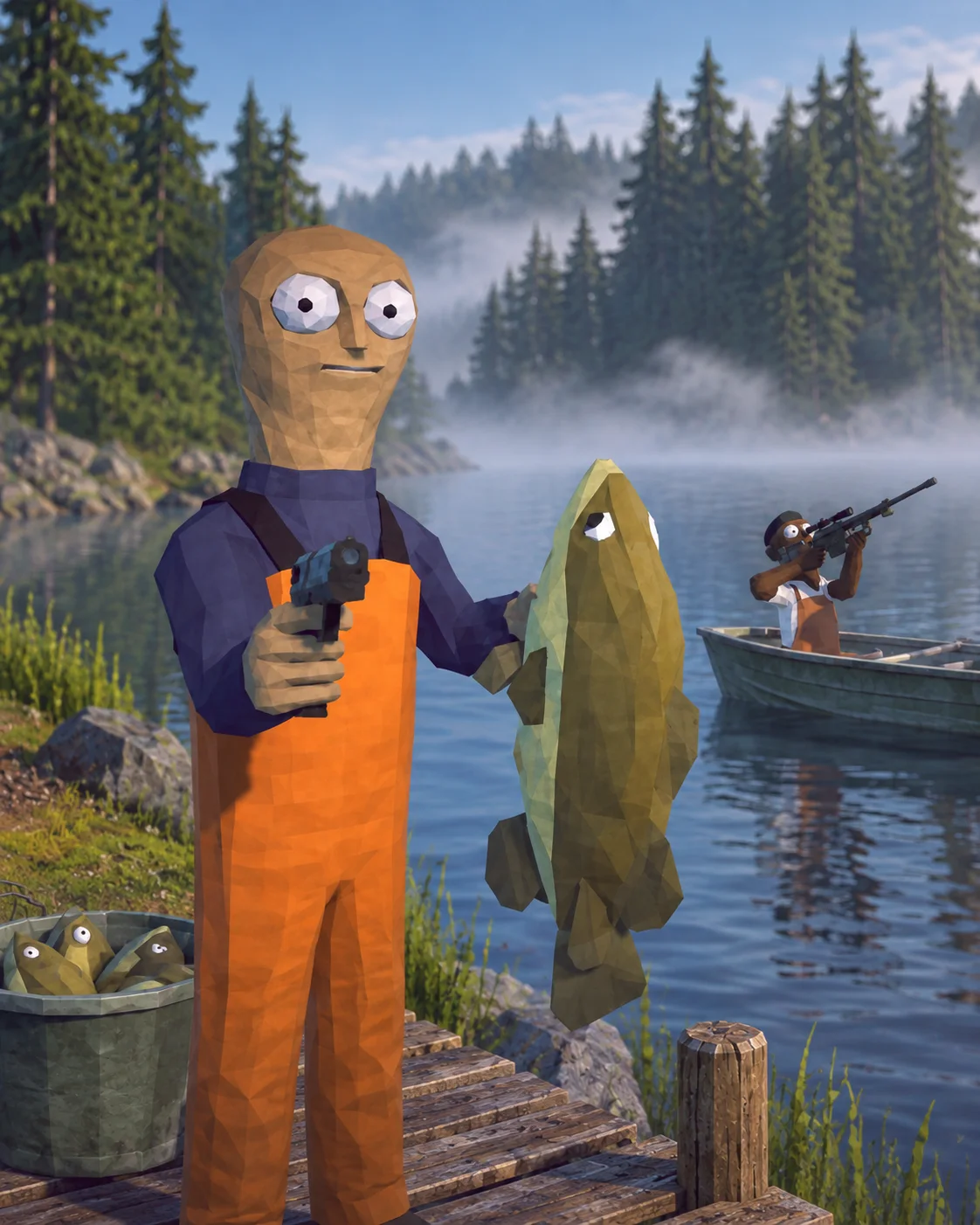
How to Fish is a Windows physics-fishing comedy with solo play and online co-op for up to four players. The official loop combines catching or defeating fish, selling them, buying weapons and gear, completing quests, fighting bosses, reaching new islands, collecting rare variants and earning trick-shot bonuses.
Its launch signal is already substantial: number seven on Steam's US Top Sellers chart and 17,695 players in the official August 21 live snapshot. The retained focused pages answer current release-build questions rather than restating the store page. Open the first spider crab boss or second-island piranha; the former whale, achievement and save pages now redirect to the overview because their independent answer value did not survive review.
Deckalypse — August 20
Deckalypse is a systems-heavy deckbuilder where the useful questions are more specific than “what is the best deck?” The guide collection separates shared energy, positions, infection, base operations and meta progression, and daily challenges.
Open the mechanic causing the failed run instead of reading five pages at once. The pages use official store and press-kit evidence for system definitions and avoid claiming exact balance values that have not been reproduced in the launch build.
Hearth and Hamlet — August 19
Hearth and Hamlet grows a campfire settlement through resources, workers, buildings, policies, research, trade and defense. The first useful question is usually the current bottleneck.
The Hearth and Hamlet overview now limits itself to release facts and officially described settlement systems. Three generic strategy pages were merged back into it because store descriptions and demo-era materials did not support exact worker, policy or research advice for the release build.
Pizza House Simulator — August 19
Pizza House Simulator is a Windows restaurant simulation with solo play and online co-op for up to six players. Its live US Steam data showed a $12.99 regular price and a 25% introductory offer to $9.74 through September 2 when checked on August 21.
Start at the hub for the buying answer and first-shift workflow. Use the co-op guide for Steam invites, room codes and role division, or system requirements for the 8 GB minimum and 16 GB recommendation. The guide does not turn advertised economy systems into untested stock or gambling advice.
Dreamcards — August 19
Dreamcards is included for its confirmed Resource Preview system and current release date, not because the site can prove a large audience. Begin with Resource Preview to understand the mechanic the official material actually identifies.
The next useful Dreamcards page should answer a repeated card, character, achievement or day/night blocker observed in the full game. Until then, the guide hub keeps the confirmed boundary clear instead of expanding a store description into an invented strategy.
The Sinking City 2 — August 18
The Sinking City 2 is a single-player survival horror available on Windows PC, PS5, and Xbox Series X|S. Its semi-open Arkham structure emphasizes limited resources, exploration, shortcuts, optional investigations, and combat rather than copying the first game's open-world detective format.
The launch collection answers both buying and play questions. Check platforms and multiplayer, editions and DLC, or PC performance targets before purchasing. Once inside the game, use combat and ammo, Talent Points and Dream Essence, inventory upgrades, and Night Ore for first-party answers.
Frogwares published PC Hotfix 1.0.2 on August 23. The current patch page separates its fixes from remaining settings, DLSS, and visual issues.
Vapor World: Over The Mind — August 18
Vapor World: Over The Mind is a deflection-focused action platformer available through Steam Early Access and Xbox Game Preview. Xbox lists PC, Xbox One, Xbox Series X|S, Play Anywhere, cloud saves and Game Pass access; Steam lists Windows, full controller support and a gamepad recommendation.
The current value is in version-specific help. Patch 0.5.4f10 says it improved heavy movement, fixed the title-screen progression block and stopped the save-reset error. Open the movement and title-screen fix or save safety guide before using launch-day advice. The Early Access scope makes clear that the current prologue and two-episode package does not include the planned ending.
Tukoni: Forest Keepers — August 17
Tukoni: Forest Keepers has a compact but complete opening cluster: a release guide, achievement guide, and system requirements.
Use the release guide to separate full-game availability from older demo material. Achievement and progression details should always be checked against the current build because demo completion is not evidence that every full-game trigger is identical.
Madden NFL 27 — August 13
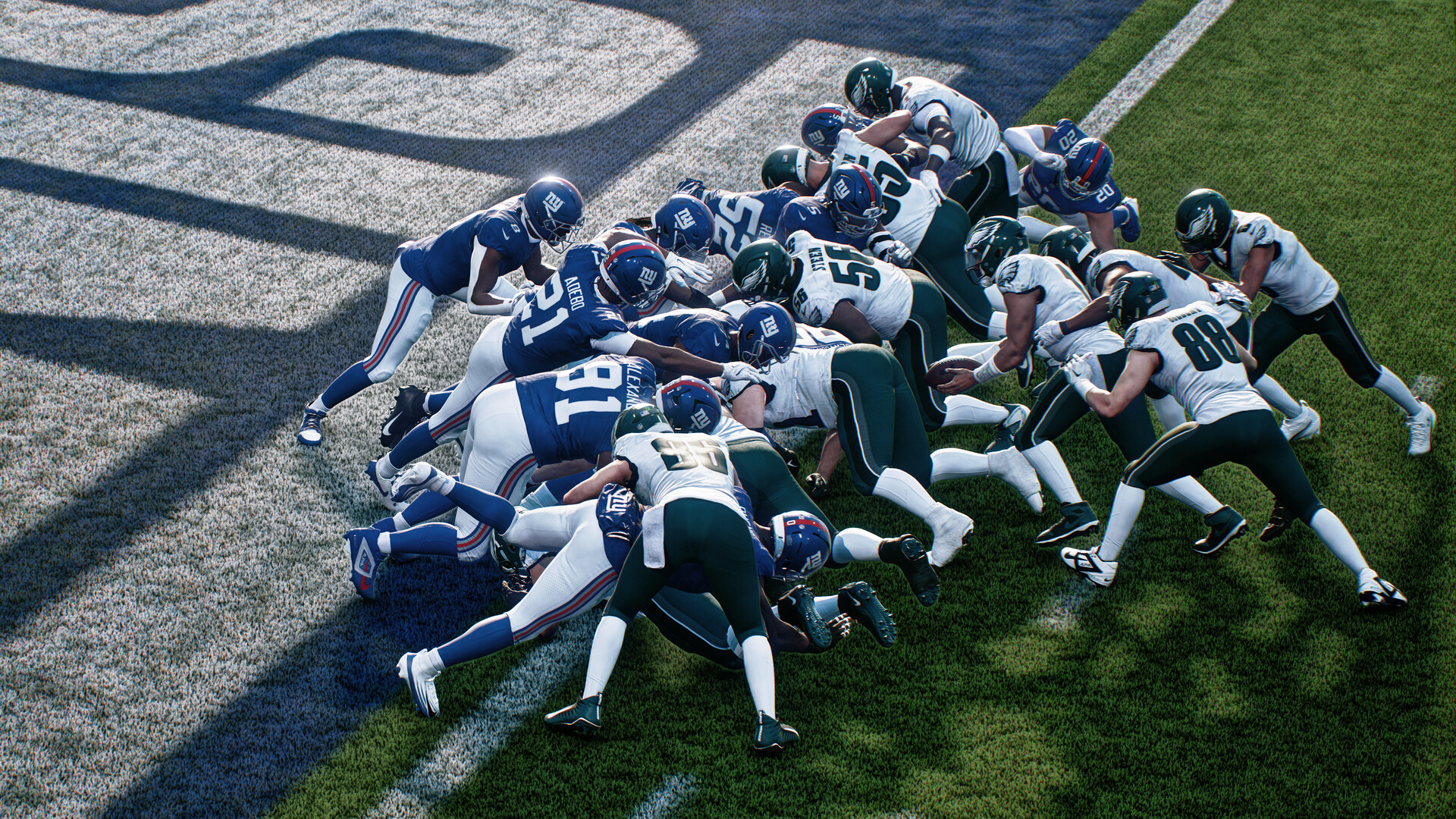
Madden NFL 27 is this collection's broadest mainstream sports release. It is available on PS5, Xbox Series X|S, Windows PC and Switch 2, with separate mobile and Apple Arcade products. The August 23 Steam endpoint showed 3,624 concurrent players, but the content plan follows answerable search clusters rather than that one number.
Use platforms and PC requirements for buying questions. The 32-team ratings table, 99 Club reference, Franchise progression, and Superstar progression provide width and depth without pretending that one broad article is complete.
Ledgerbound — August 13
Ledgerbound is a Windows and macOS tactical RPG and relationship game built around grid battles, an office career, limited time, burnout, friendship, and romance. Steam's official live endpoint showed 120 players and the store reported 429 recommendations on August 28. Those figures describe a modest current audience; the reason to include it here is the verified August release and a focused guide set, not a claim that it is a blockbuster.
Start with the Ledgerbound guide map. Use romance options for the ten officially named love interests, time and burnout for the official pressure-reduction setting, patch notes for post-launch fixes, and system requirements before buying. Exact route choices and endings remain excluded until they can be verified end to end.
Low-Budget Repairs — August 13
Low-Budget Repairs is a renovation simulation with a comic premise but a practical guide loop. Start by reading the brief, protecting the work area, selecting the correct tool, checking electrical work before concealment, completing only the requested scope and cleaning the area.
The tools and surface-protection guide covers that repeatable process. The main hub links current first-job and hardware information without turning unverified apartment layouts into fake walkthroughs.
Duskfade — August 13
Duskfade is a movement-led 3D platformer available on PC and consoles. The movement guide is the correct first page because platforming chains, recovery and checkpoint understanding matter before collectibles or completion routes.
Check the prompts for the platform you are actually using. A PC key sequence should not be silently presented as a universal controller instruction, and a trailer animation should not be treated as proof of a live input.
Security 51 — August 12
Security 51 revolves around inspection and evidence decisions. Its Bone Day answer resolves a concrete Day 11 choice, while system requirements verifies the PC purchase floor.
Use the complete game name in searches and links. “Security 51” can collide with unrelated entities, so each answer needs the game's exact context, current screenshots or official terminology, and its permanent Security 51 path.
ReStory — August 6
ReStory remains inside the 30-day window and continues to show material demand after launch. It turns electronics repair into customer orders, diagnosis, cleaning, replacement parts, assembly, packing and story decisions.
Open the ReStory overview for the verified repair-loop description and use system requirements for Windows and macOS support. The spare-parts workflow page was withdrawn; device-specific instructions should only return after a full repair can be checked end to end.
Beast of Reincarnation — August 4
Beast of Reincarnation is Game Freak's single-player action RPG about Emma and Koo. Its central loop connects real-time sword defense with command-selected companion skills: successful just guards earn the Fluorescence Points spent on Koo's Bloom Arts.
The initial package covers five independent needs instead of stretching one overview across every query. Use platforms and Game Pass and PC requirements before buying. Once playing, continue with parry and Koo combat, early survival, and the current version. Boss and ending pages are withheld until their routes can be verified.
Before choosing a newly released game
Check platform, release status and hardware first. Then choose by the problem you want to solve: ratings and long-term modes for Madden NFL 27, untimed object organization for The Sorting Bureau, deflection combat and a developing story for Vapor World, combat and exploration for Mortal Shell II, physics bosses and co-op for How to Fish, deck systems for Deckalypse, settlement growth for Hearth and Hamlet, co-op restaurant work for Pizza House Simulator, card-resource planning for Dreamcards, relaxed exploration for Tukoni, renovation jobs for Low-Budget Repairs, movement for Duskfade, inspection for Security 51, or electronics repair for ReStory.
A game leaves this page after 30 days, but its game hub and answer URLs remain permanent. Find later momentum changes in Rising Games and larger current audiences in Popular Games.
Sources

 01
01