
GAME TOPIC
Dreamcards — Release, Platforms, and Overview
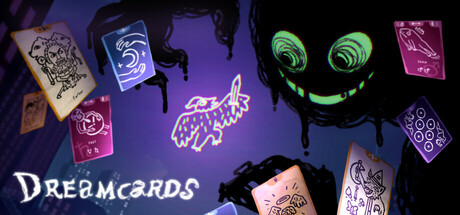
Dreamcards is Soneka Games' day-and-night deckbuilder, published by Vsoo Games and Soneka Games for Windows and Linux with a seven-night objective.
EXPLORE THIS GAME
Overview and every live, source-checked section.
Introduction, guides, reviews, updates, and support appear here only when the topic has real content for them.
GAME INTRODUCTION
What to know before you play
Dreamcards is available now on Steam for Windows and Linux. Soneka Games develops it; Vsoo Games and Soneka Games are the listed publishers. The official US store data lists an August 19, 2026 release, a $9.99 regular price, and a 15% discount to $8.49 when checked on August 31. Its published loop moves from an action phase that earns imagination points to a buy phase that spends them on cards, followed by a night encounter against the Monster.
Official post-launch patches 6–9 are now the current freshness boundary. Patch 6 improves performance while selecting and playing cards. Patch 7 fixes the rare case where played cards produced no resources. Patch 8 refines card mastery effects and adds the hover animation to inspected cards. Patch 9 fixes night-time flicker while using a controller.
How the published day-and-night loop works
The action phase moves through the deck and generates imagination points. The buy phase converts those points into new cards. The current store description confirms six mixable strategies and more than 100 unique cards, but does not publish a universal ranking, complete archetype table, or fixed shop sequence.
Use Resource Preview before guessing
The official February Demo update added Resource Preview: before using a card, players can see its effect on each game resource, and the preview changes when the selected character modifies resources gained or spent. The same update says active characters have a visual indicator and limited-use abilities show a counter. The Resource Preview page explains those controls in detail.
Keep the seven-night target visible
The current full-release Steam description says to surpass the Monster's score for seven nights and warns that failing one night ends the attempt in a nightmare. This is no longer a demo-only inference. The seven-night rules page separates that exact objective from strategy claims the official listing does not prove.
Current player-review snapshot
Steam's all-language review endpoint reported 49 reviews, all positive, when checked August 22, 2026. Steam labels the result Positive, but 49 reviews are still a small launch sample. We therefore use player reports to identify questions—such as controller behavior or animation slowdown—without turning them into a universal verdict or an invented site score.
Choose the answer that matches your run
- Dreamcards action phase and buy phase
- Dreamcards controller support and performance checks
- Dreamcards resource preview guide
- Dreamcards seven nights and Monster rules
Sources & evidenceOpen the references used for this page
OFFICIAL SOURCE MEDIA
See the loop—not another copy of the cover.
Each image comes from a publisher or platform-holder source and is selected to explain a different part of the game.

Official Steam image showing the current published game presentation.Official media · source listed with the page evidence
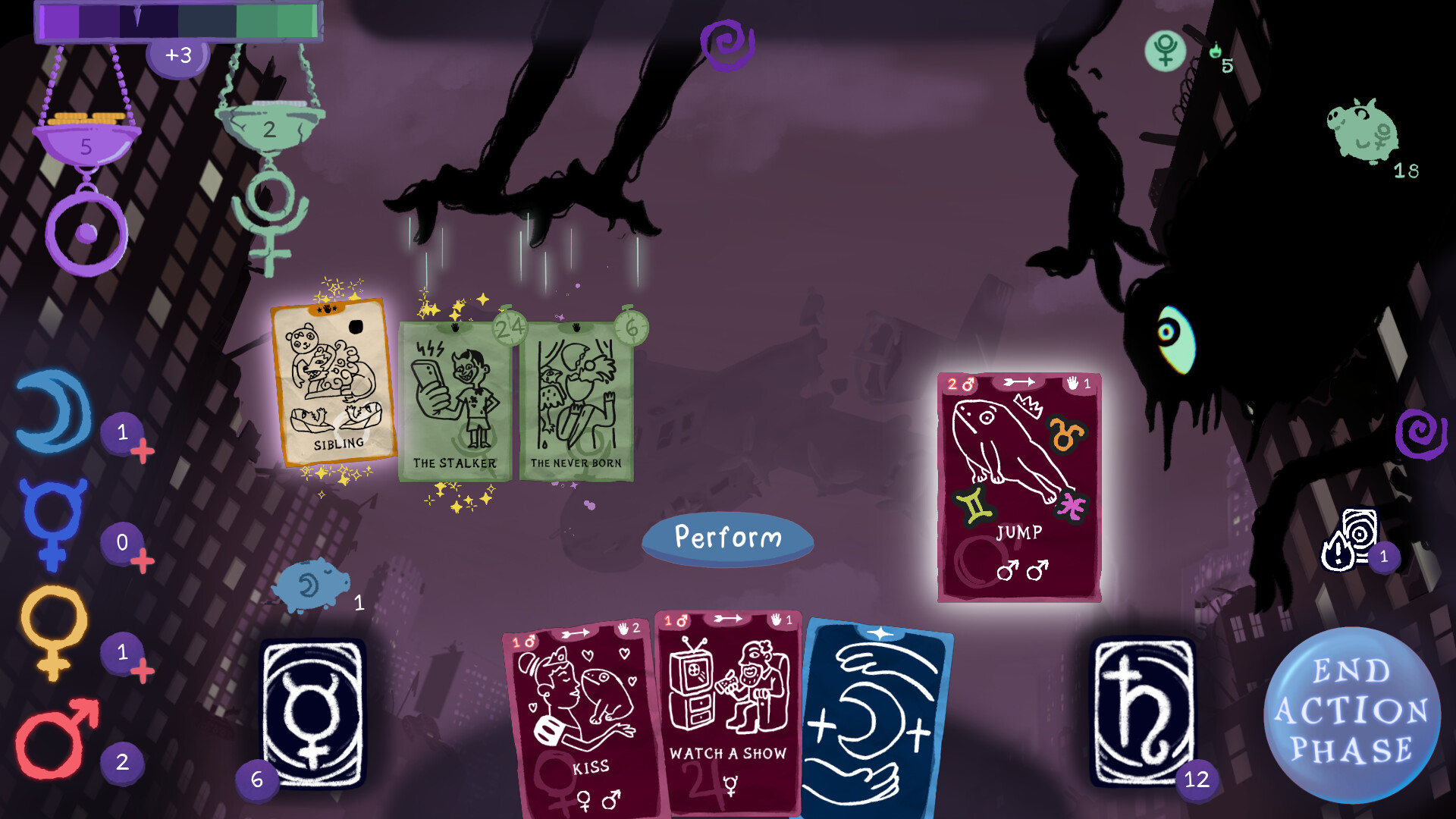
Official Steam image showing the current published game presentation.Official media · source listed with the page evidence
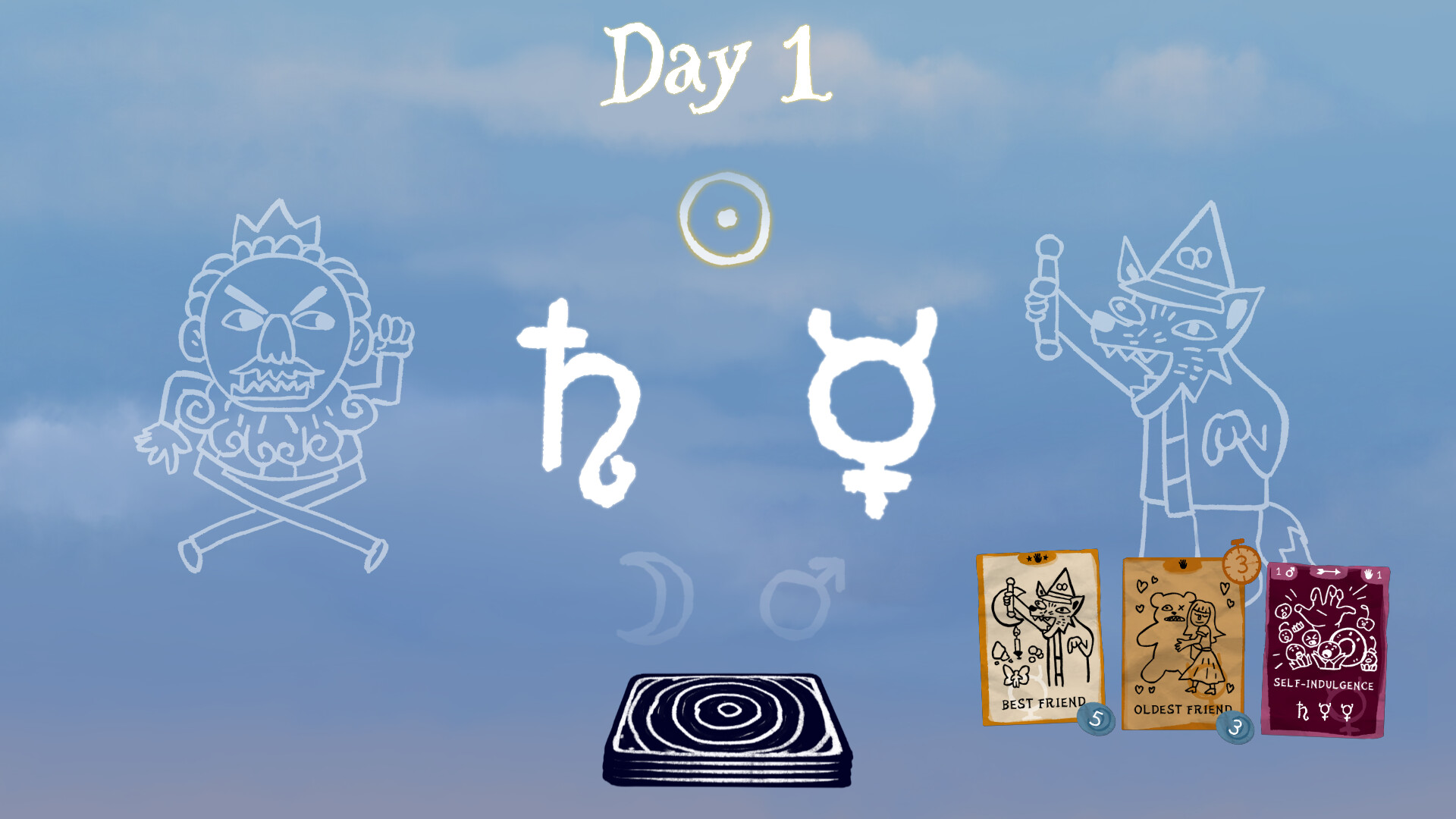
Official Steam image showing the current published game presentation.Official media · source listed with the page evidence
OFFICIAL VIDEO
See the game in motion.
This developer or storefront-listed media shows the current game. It is source material, not independent review footage.
YOUTUBE & COMMUNITY
Go to the source when the answer is still moving.
Official channels establish announcements. Forum threads show current player problems and reports—not developer-confirmed mechanics.
HELP MAINTAIN THIS TOPIC
Ask for coverage—or report something outdated.
Send the game, platform, version, and exact question. Reader feedback guides the next verified page; it is not counted as a player review.