
GAME TOPIC
Hearth and Hamlet — Release, Price, Platforms, and Overview
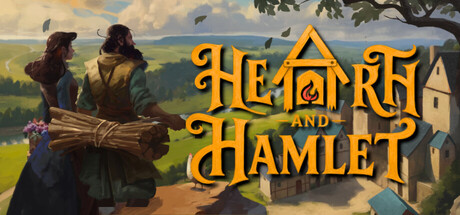
Hearth and Hamlet is a medieval incremental citybuilder about turning a campfire settlement into a kingdom through workers, policies, research, magic and trade.
EXPLORE THIS GAME
Overview and every live, source-checked section.
Introduction, guides, reviews, updates, and support appear here only when the topic has real content for them.
GAME INTRODUCTION
What to know before you play
Hearth and Hamlet is a single-player incremental citybuilder from Phorust Studios. It starts with a campfire and turns that small settlement into a medieval kingdom through workers, buildings, research and policy choices. The game released on August 19, 2026 for Windows and SteamOS/Linux. Steam showed a US price of $7.99 when checked August 31.
The current official patch boundary is 1.0.06. Patch 1.0.05 makes One-Way and Stable Portals cheaper and moves One-Way Portal activation to the Wizard Academy Shop. Patch 1.0.06 adds a first-ship tutorial, fixes a rare Ashenholt army progression problem, optimizes audio memory use, and raises the recommended RAM listing to 16 GB.
Release facts
| Detail | Current information |
|---|---|
| Release date | August 19, 2026 |
| Platforms | Windows and SteamOS/Linux |
| Developer | Phorust Studios |
| Publishers | Runic Forge and Gamersky Games |
| Structure | Single-player incremental citybuilder |
| US price | $7.99 when checked August 31 |
What the game is about
Workers gather food, wood, stone and gold while the player decides what to build and research next. The official description presents growth as a gradual loop: increase the settlement's capacity, unlock permanent upgrades, then open more complex systems.
Laws affect taxation, worker rules, guard drafts and civic decisions. Later progression adds trade routes, soldiers, alchemy and magical academies. These are confirmed parts of the game; the store does not publish a universal worker ratio, exact build order or complete cost table.
Guides and exact answers
- Beginner guide — the current opening priorities.
- Blueprints — unlock blueprint tiers through Library research and commission additional copies at the Shop.
- Unlock Magic — follow the Harbor, Ship, Rubiscar, Wizard, Witch's Mire and Academy progression chain.
- System requirements — Windows and Linux hardware information.
- Current patch notes — verified changes from versions 1.0.01 through 1.0.06.
- Blue-arrow fast travel — the exact Shift-click control added in 1.0.03.
Each linked page has a narrower job than this overview. Policy-tree, universal worker-ratio, and broad research-order pages remain unpublished until their exact claims can be supported beyond a single guide or broad store description. The Magic page publishes the route now corroborated across current progression sources, while withholding launch-week costs that appear in only one source.
Sources & evidenceOpen the references used for this page
OFFICIAL SOURCE MEDIA
See the loop—not another copy of the cover.
Each image comes from a publisher or platform-holder source and is selected to explain a different part of the game.
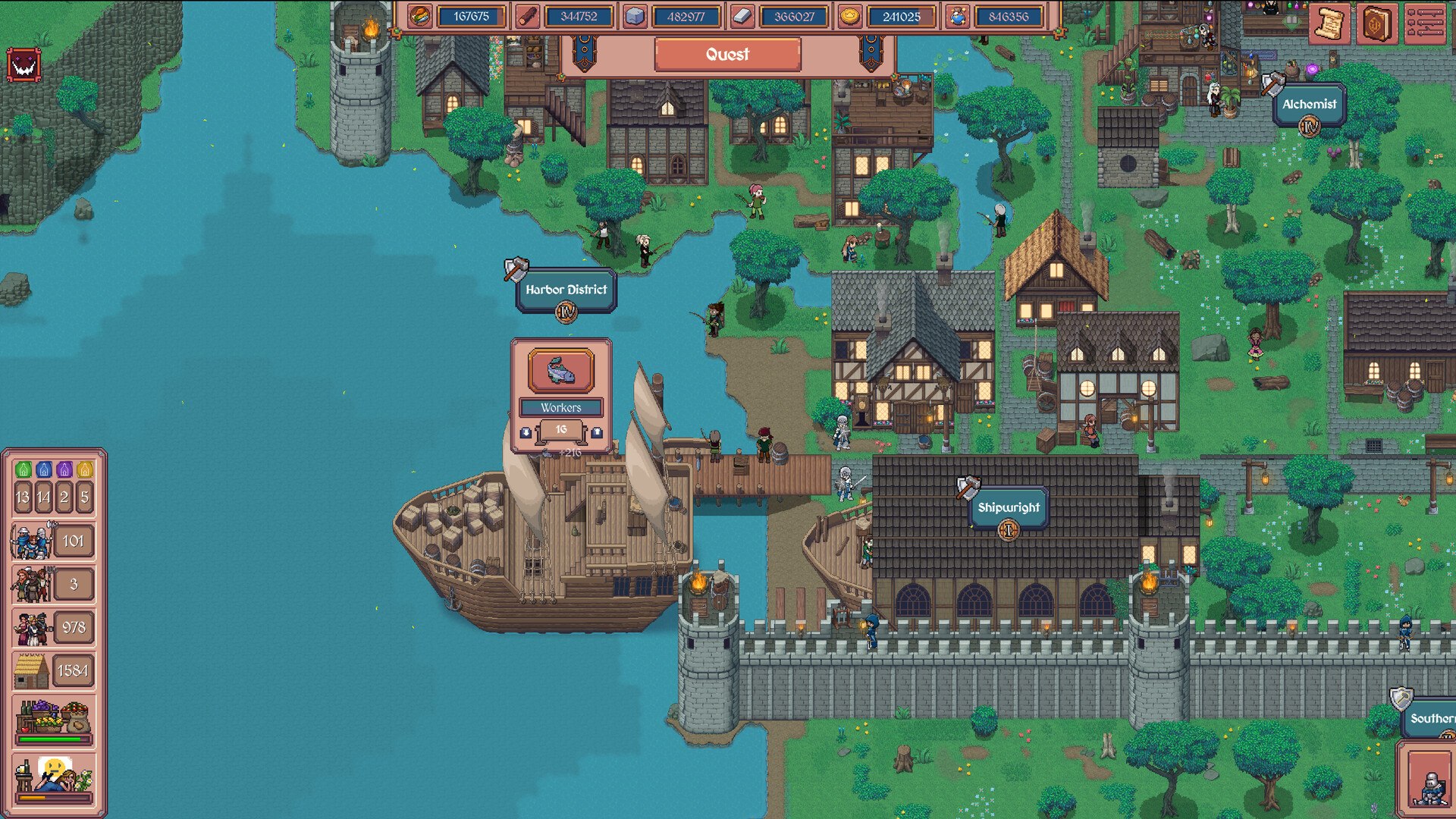
The settlement grows from a small camp into a larger medieval kingdom.Official media · source listed with the page evidence

Research permanently opens buildings, policies, upgrades and magic.Official media · source listed with the page evidence
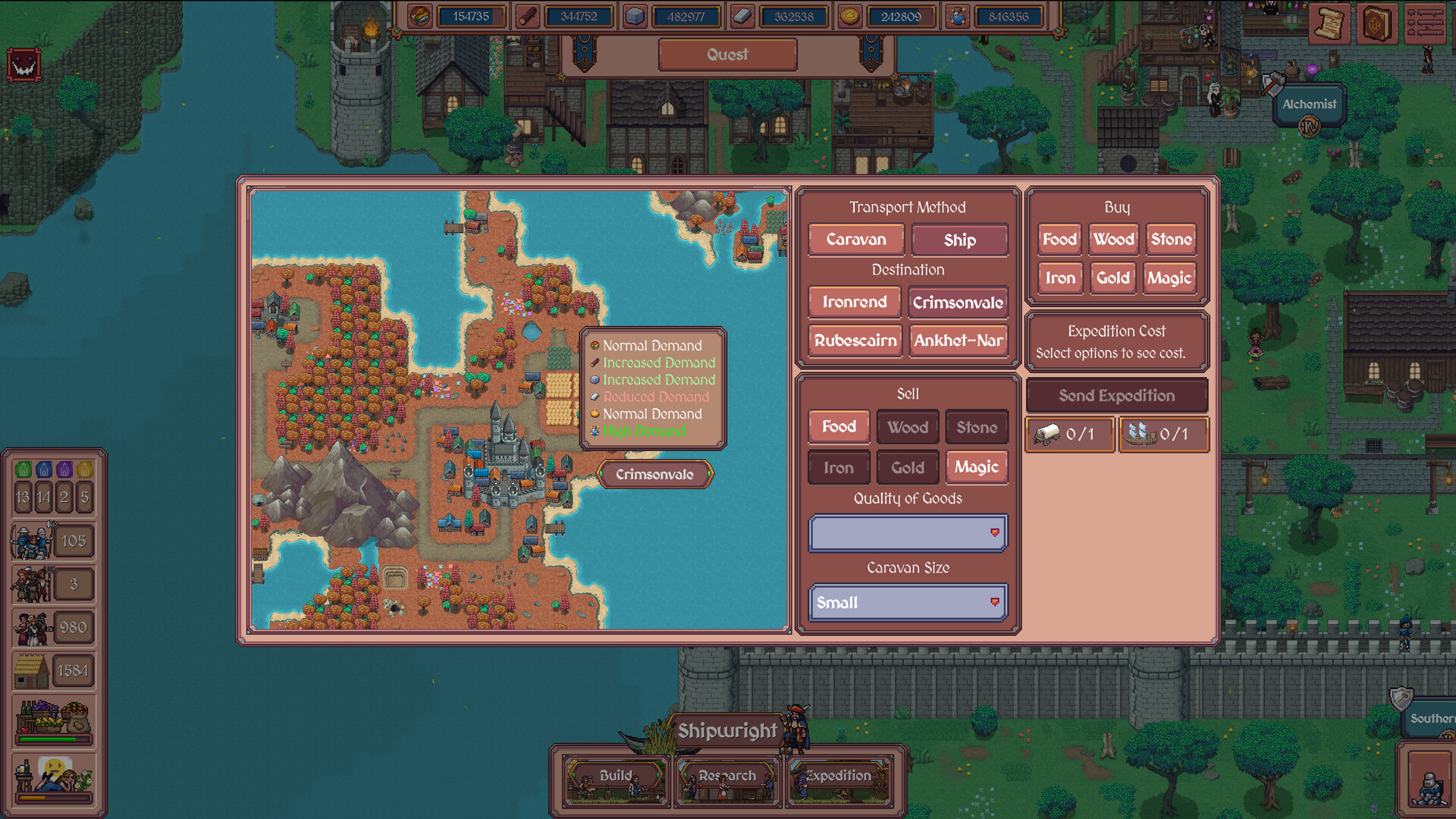
Workers gather food, wood, stone and gold as the settlement expands.Official media · source listed with the page evidence
OFFICIAL VIDEO
See the game in motion.
This developer or storefront-listed media shows the current game. It is source material, not independent review footage.
YOUTUBE & COMMUNITY
Go to the source when the answer is still moving.
Official channels establish announcements. Forum threads show current player problems and reports—not developer-confirmed mechanics.
HELP MAINTAIN THIS TOPIC
Ask for coverage—or report something outdated.
Send the game, platform, version, and exact question. Reader feedback guides the next verified page; it is not counted as a player review.