
The cast carries the experience
The strongest agreement centers on character development, humor, and relationship writing rather than combat complexity.
RPGamer · SiliconeraGAME TOPIC
Ledgerbound is a released single-player tactical RPG and dating sim on Windows and macOS; use this hub for status, romance roster, Patch 6, cast, controller/Steam Deck, and saves.

EXPLORE THIS GAME
Introduction, guides, reviews, updates, and support appear here only when the topic has real content for them.
REVIEWS AT A GLANCE
Player ratings and editorial reviews measure different things. We keep every result attached to its source, then show where the evidence agrees—and where a buyer should hesitate.
Worth buying for its cast, romance routes, and comedy; the light strategy layer supports those strengths rather than competing with a deep tactical RPG.
The strongest agreement centers on character development, humor, and relationship writing rather than combat complexity.
RPGamer · SiliconeraThe tactical layer creates decisions between conversations without displacing the character-led structure.
RPGamer · SiliconeraBuyers seeking demanding combat optimization are likely to find the game's priorities reversed.
RPGamer · SiliconeraBecause character comedy and romance carry most of the value, players who do not connect with the cast lose the game's strongest reason to continue.
RPGamer · SiliconeraBest fitPlayers who want character writing and relationship choices with enough strategy to pace the story.
Think twice ifYou want demanding tactical systems to be the main attraction or strongly prefer keyboard-only controls.
GAME INTRODUCTION
Ledgerbound is a released single-player tactical RPG and dating sim: it launched August 13, 2026, for Windows and macOS on Steam. You play as Rayna, an insurance adjuster pulled into grid combat, office promotion, coworker relationships, and burnout-limited evenings. OmniMegaSuperCorp develops and publishes it. The current post-launch support line runs through official Patch #6 (September 15, 2026).
If you already know your task, jump here first:
| Player task | What this hub can confirm | Where to go next |
|---|---|---|
| Romance roster | Ten officially announced love interests; no published thresholds, lock-ins, gifts, or endings | Romance options |
| Patch 6 status | Bark changes, lower-difficulty replay costs, earlier Patch 5 fixes, and current known issues | Patch notes |
| Voice cast | Official actor-to-character pairings, including Rayna, Avarice, Cazian, and the Narrator | Voice cast and characters |
| Burnout / calendar pressure | Patch 2 reduced time-management setting; Patch 3 extends it to swag/liability equip costs | Time and burnout |
| Controller / Steam Deck | Full controller support on Steam; Deck currently Playable, not Verified, with an interface-text note | This page (no dedicated child route) |
| Saves / support | Steam Cloud is listed; developer support email is on the Steam listing | This page + Steam Discussions |
| Windows / Mac readiness | Separate Steam requirement tiers, 20 GB storage, 16:10–21:9 aspect-ratio note | System requirements |
Exact romance dialogue trees, bond thresholds, battle routes, and ending triggers are not confirmed by the official material currently available. Media reviews and community speculation are useful signals, not substitute walkthroughs.
Ledgerbound mixes grid-based tactical battles with a workplace satire and relationship schedule. Steam describes team customization, promotion paths, corporate swag, limited evening time, and party-member romance with English full audio. Combat, paperwork, and dating share the same campaign calendar, so one evening spent on relationships is an evening not spent on skills or recovery.
Players who want a single-player PC/Mac tactics campaign with a strong cast focus, fully voiced scenes, and an official option to soften time/burnout pressure after Patch 2. Controller users are on supported ground: Steam lists full controller support plus DualShock, DualSense, and Steam Input API.
US Steam listed $29.99 with no discount when checked September 6, 2026. A Deluxe Supporter Edition DLC is sold separately; this hub does not treat DLC extras as required for the base campaign. Price and edition contents can change — confirm on Steam before buying.
| Question | Verified answer (checked September 6, 2026) |
|---|---|
| Release date | August 13, 2026 |
| Status | Released full game (not Early Access) |
| Platforms | Windows and macOS through Steam |
| Developer / publisher | OmniMegaSuperCorp |
| US Steam price | $29.99 regular price |
| Modes | Single-player |
| Languages | English interface, full audio, and subtitles |
| Controller | Full controller support; DualShock, DualSense, and Steam Input API listed |
| Steam Deck | Valve rating: Playable; default controller config and glyphs pass; some interface text is not legible |
| Saves | Steam Cloud listed |
| Achievements | 38 Steam Achievements listed |
| Current patch line | Official Patches #1–#6; latest checked notes are Patch #6 (September 15, 2026) |
Steam showed Very Positive reviews with 92% positive when checked September 6, 2026. That is a storefront snapshot, not a Player Guidebook score, and it is not a substitute for patch-specific bug reports. For current softlocks or version-sensitive dialogue, prefer the official patch notes and reproducible reports on Steam Discussions.
Relationship timing, burnout costs, and some dialogue gates changed after launch. Treat launch-day schedules as version-sensitive.
Patch 6 still lists known issues, including some incorrect relationship gates, conversation remainder skipping after quitting, no New Game+, an unusable post-game title screen, no direct return to the main menu, hidden HR Training costs when time is short, uneven voice volume, and remaining text issues. Use the patch notes page for the fixed-versus-unknown breakdown.
Steam lists full controller support for the PC release, with DualShock Controller Support, DualSense Controller Support, and Steam Input API Support. That confirms official gamepad paths; it does not by itself prove every Steam Deck UI density issue is solved.
Valve’s current Steam Deck compatibility result is Playable (resolved_category 2 on the store page), not Verified. The published test notes say the default controller configuration is fully functional, glyphs match the Deck, and the default configuration is performant, while some interface text is not legible. Re-check the Steam Deck badge on the store page if you buy later — ratings can change.
Steam Cloud is listed for saves. Local save-path internals and cross-device edge cases are not published in the checked store materials, so this hub does not invent folder paths or migration steps.
For Windows versus Mac hardware floors, use the dedicated system requirements page (8 GB RAM minimum, 20 GB storage, separate GPU/Apple Silicon tiers, best on 16:10–21:9).
The focused romance options reference lists the ten love interests named in the developer’s dating announcement. The separate voice-cast reference maps Rayna, those ten characters, supporting coworkers, and the Narrator to their officially announced performers without turning a credit into a route claim.
If the calendar and burnout are making the campaign less enjoyable, open the difficulty settings and look for the option that reduces time-management gameplay. The time-management and burnout page explains what the setting changes after Patches 2–4.
Release, patch, and product facts checked through September 18, 2026. The price, review pulse, and Steam Deck snapshot retain their stated September 6 date. Unverified route steps, bond numbers, and personal play claims are intentionally omitted.
OFFICIAL SOURCE MEDIA
Each image comes from a publisher or platform-holder source and is selected to explain a different part of the game.
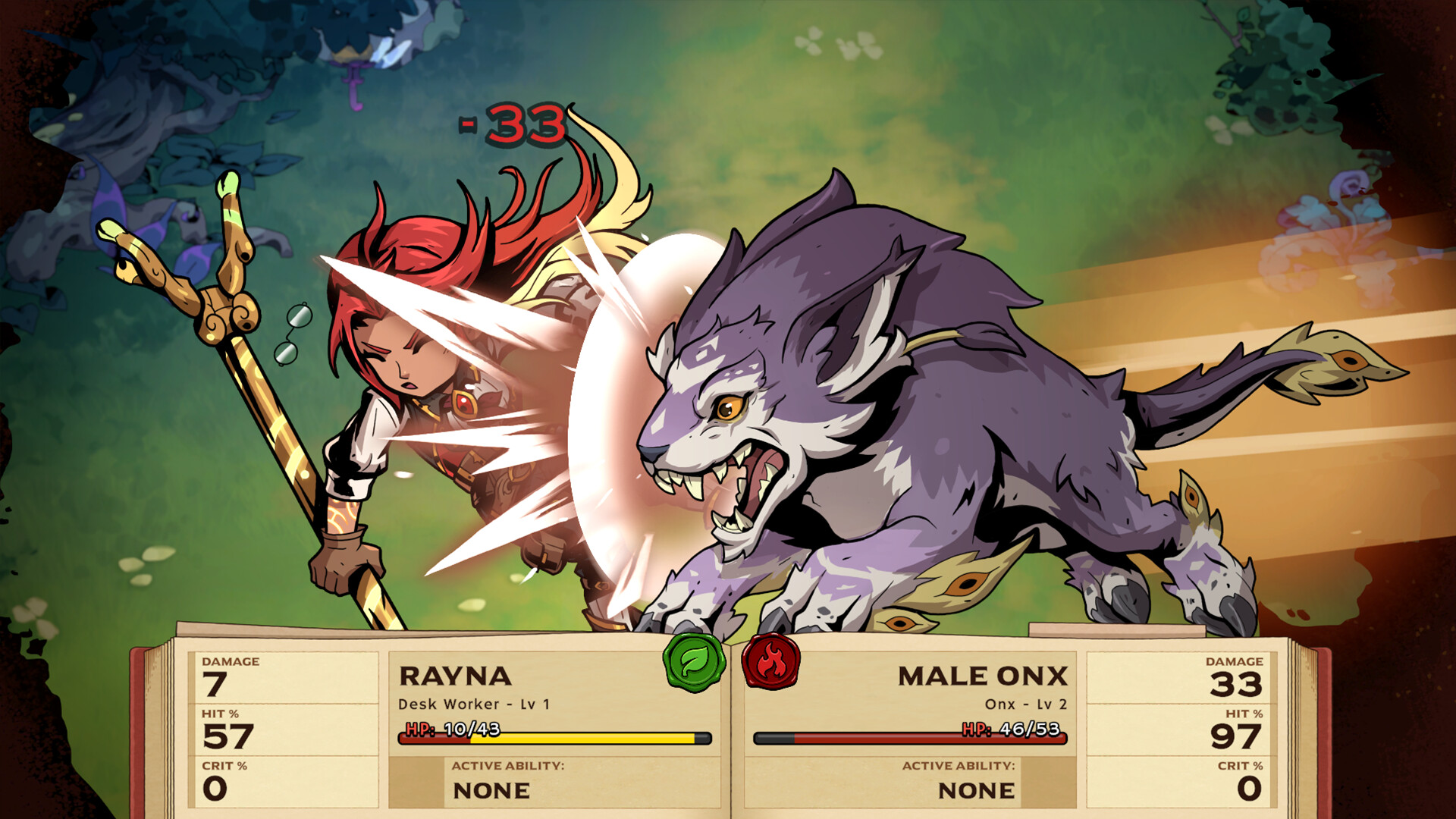
Grid combat shares the campaign calendar with promotion, relationships, and recovery.Official media · source listed with the page evidence
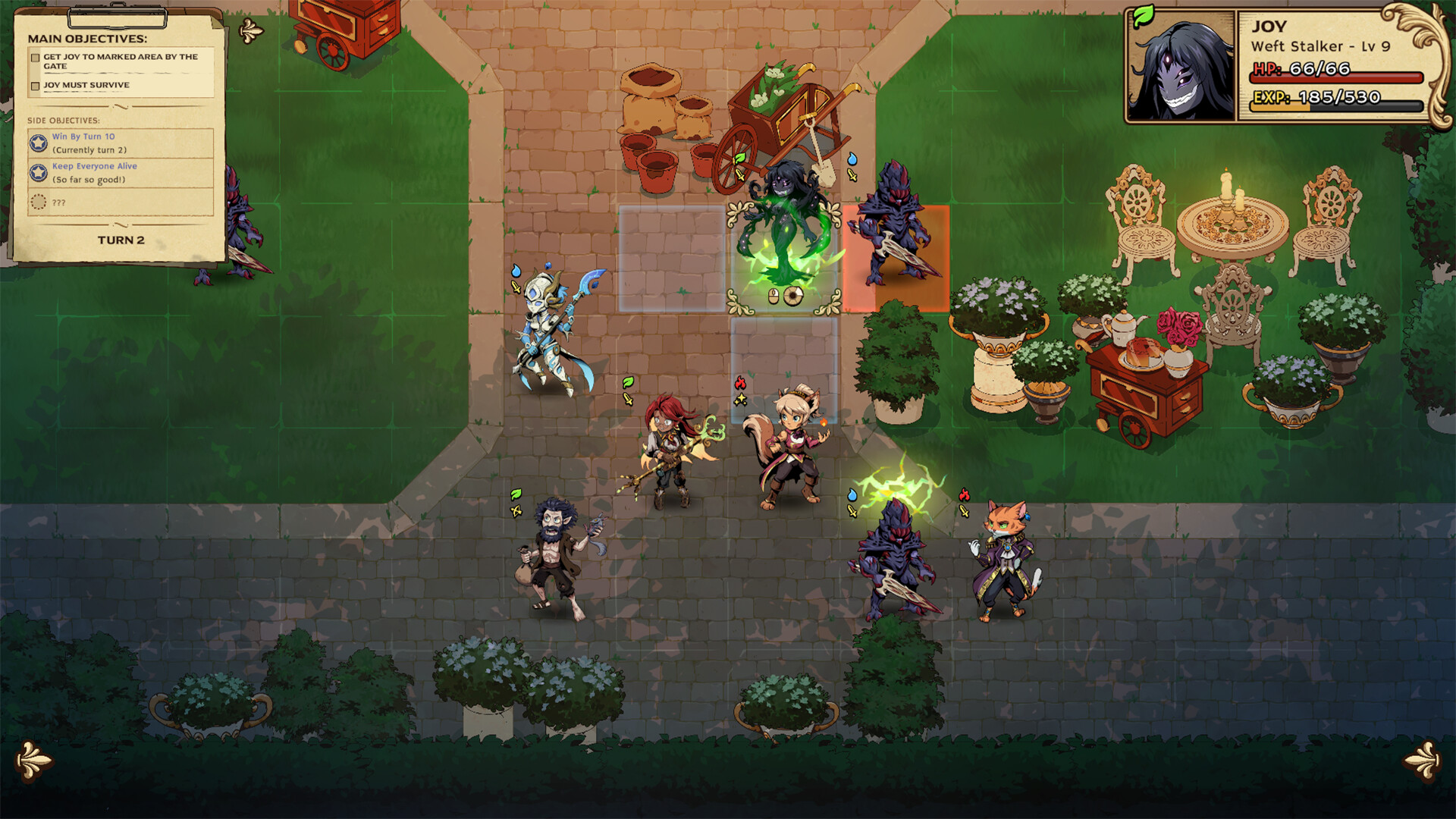
Coworker scenes and tactical preparation compete for the same limited campaign time.Official media · source listed with the page evidence

Ten coworkers are announced as love interests; route thresholds and endings are not published.Official media · source listed with the page evidence
SYSTEMS & REFERENCE
The official romance lineup contains ten named characters; evening relationship time is confirmed on Steam, while route lock-ins, gift lists, endings, and exact bond thresholds are not published.
→Time and burnout · Sep 18, 2026Ledgerbound Burnout Settings — What Each Patch ChangedUse the reduced time-management option when calendar and burnout costs are blocking the story; Patch 3 also removes burnout costs from equipping swag and liabilities.
→Ledgerbound Cast · Aug 31, 2026Ledgerbound Voice Cast — Officially Announced Actors and CharactersThe official actor-to-character mapping for Rayna, the ten announced love interests, Grigsby, Merp, and the Narrator.
→UPDATES
OFFICIAL VIDEO
This developer or storefront-listed media shows the current game. It is source material, not independent review footage.
INDEPENDENT COVERAGE
These are attributed outside perspectives. They do not replace official facts or become a Player Guidebook hands-on verdict.
Jenni Lada focuses on the romantic-comedy structure and how the strategy layer supports the cast rather than replacing the narrative focus.
PC reviewRead the original ↗REVIEW · Phenixx Gaming · 2026-08-11Ledgerbound PC ReviewThe review adds a practical control perspective, including the reviewer's preference for playing the PC build with a gamepad.
PC reviewRead the original ↗YOUTUBE & COMMUNITY
Official channels establish announcements. Forum threads show current player problems and reports—not developer-confirmed mechanics.
HELP MAINTAIN THIS TOPIC
Send the game, platform, version, and exact question. Reader feedback guides the next verified page; it is not counted as a player review.