
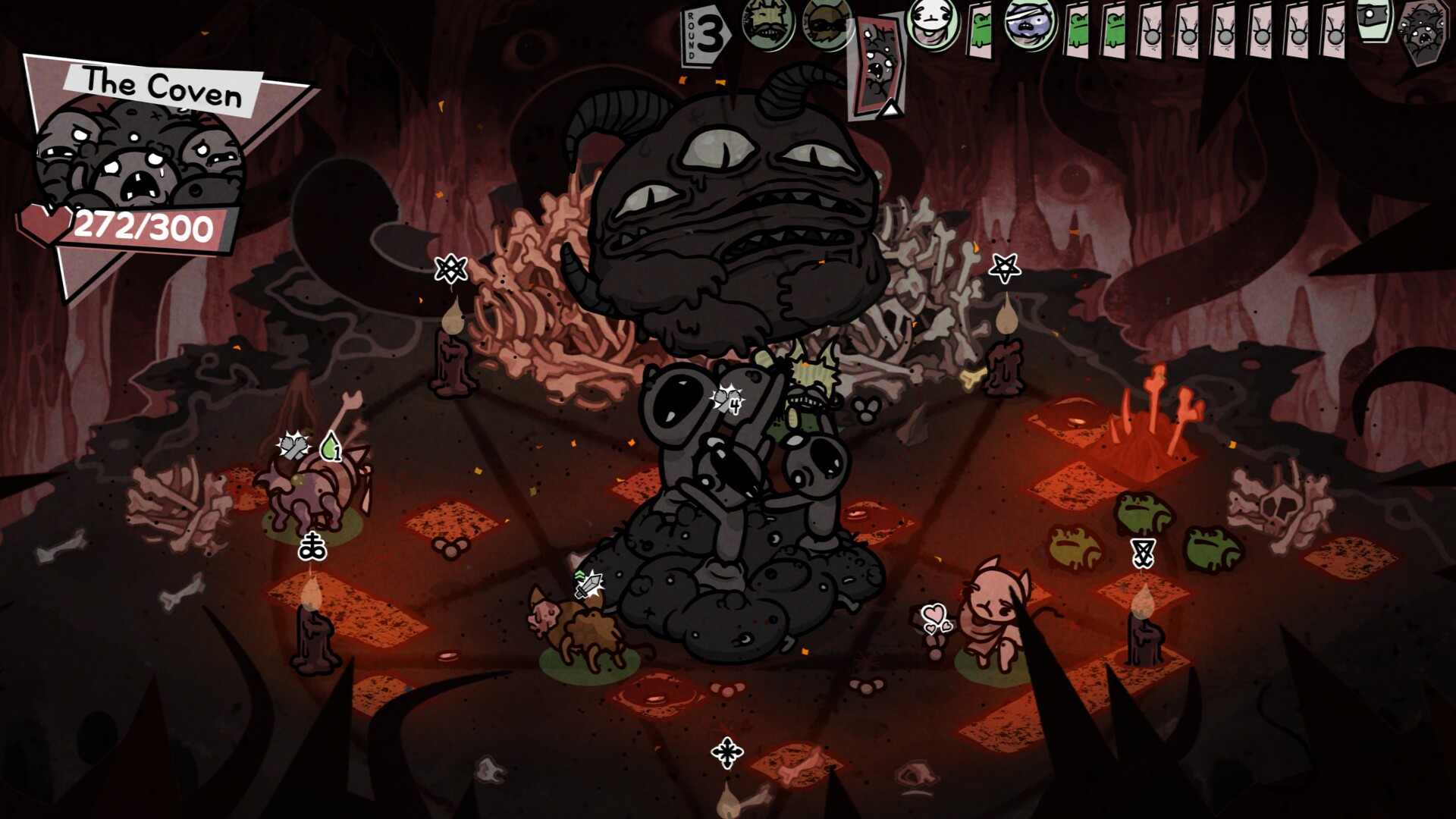
Let combat expose the weakness, then breed toward that missing role; inheritance is strongest when it creates a more flexible future squad.
Treat breeding as the next stage of tactical review. After an adventure, ask what the squad could not do reliably. That answer gives the lineage a purpose and prevents the house from becoming a collection of unrelated strong traits.
Before an adventure
Build around jobs, not names. Include a way to absorb or avoid pressure, a way to create dependable damage, and abilities that improve positioning or exploit the environment. Class-specific collars define combat roles, while items and drafted abilities can alter the exact plan. Do not assume that a cat with the highest visible number automatically completes the team.
After an adventure
Evaluate survivors in three columns: what role they performed, what useful trait or skill they may pass forward, and what cost or quirk complicates future use. The official description confirms scars, experience, mutations, inherited skills, bloodlines, and genetic quirks; it does not publish a universal inheritance formula in the store text.
Breed when the pairing supports a concrete future option. A good outcome might strengthen a missing defensive role, preserve a rare interaction, or create flexibility between two classes. Keep alternative cats in the house so one failed generation or awkward mutation does not erase the plan.
Keep runs and lineage connected
Use new offspring in controlled tests. Put the cat in a squad that can support it, observe whether the inherited combination solves the target problem, and change only one part of the plan at a time. The game's large stated pool—many classes, abilities, items, enemies, and environmental interactions—makes universal recipes fragile. Current in-game tooltips are the authority for exact effects.
Keep a small lineage record
For each breeding decision, record the two parent roles, the trait or skill you are trying to preserve, and the combat problem it should solve. After the offspring joins an adventure, add the result. This turns a large genetic system into a sequence of testable decisions and helps separate a useful inherited interaction from a lucky item or easy encounter.
Do not evaluate a new cat in the hardest available content first. Place it in a stable squad where the other roles are covered. If the test fails, you can identify whether the inherited combination is weak, the class collar is a poor fit, or the team simply lacked support.
Protect the house from one-plan failure
Keep more than one route to survival and damage. A lineage built around a single rare interaction may collapse when the required cat is unavailable, scarred, or paired with an unsuitable adventure. Preserve flexible cats and proven class coverage while testing specialized offspring.
The official description says returning cats can carry scars, experience, mutations, and extra physical traits. Treat those as conditions to evaluate, not automatic upgrades. A mutation is useful when it improves the role or creates a valuable new option; novelty alone is not a reason to redesign the entire house.
Decide what to keep after a run
Separate permanent lineage value from temporary run value. An item may have carried the squad but does not necessarily make the cat the best parent. Conversely, a cat with modest combat output may carry a skill or genetic combination worth preserving. Review performance, inheritance potential, and team fit as three different questions.
When a pairing produces no useful result, do not immediately repeat it without a hypothesis. Change one parent, target role, or class context, then compare. The game's scale rewards experimentation, but disciplined experiments create more information from every generation.
Return to the Mewgenics guide for the verified release, platform, and Cat Loop overview.
Sources
QUICK ANSWERS
Questions players ask next
What should I breed for first in Mewgenics?
Breed toward a weakness your actual adventures have exposed—survival, positioning, reliable damage, or a missing class interaction—rather than an abstract perfect cat.
Should every run use the same team?
No. The official game emphasizes many classes, abilities, items, environments, and choices, so squad selection should respond to available cats and the planned adventure.
HELP SHAPE THE NEXT UPDATE
Missing an answer—or found something outdated?
Send the exact game problem, platform, and version. Corrections are reviewed before expansion requests.